Knitted fabric production is a fascinating process that combines tradition with modern technology to create a wide range of textiles used in everything from fashion to home furnishings. This article delves into the intricacies of how knitted fabrics are made, the different types of knitting, and the latest advancements in knitting technology.
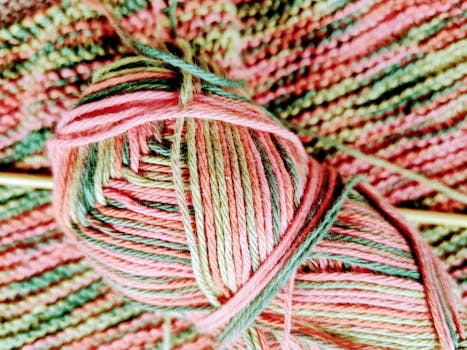
Knitting is a technique that involves interlocking loops of yarn to create a fabric. This can be done by hand or with the use of machines. The basic principle behind knitting is simple, yet it allows for a vast array of complexities in terms of patterns, textures, and materials.
Types of Knitting
.png)
There are two main types of knitting: weft knitting and warp knitting. Weft knitting is the more common of the two and is what most people think of when they imagine knitting. It involves forming rows of loops that run across the width of the fabric and can be done by hand or machine. This type of knitting is highly versatile and can be used to make everything from socks and sweaters to blankets and hats.
Warp knitting, on the other hand, involves loops that run along the length of the fabric. It is generally faster than weft knitting and is done using a machine. Warp-knitted fabrics are less elastic but provide greater dimensional stability and are commonly used in lingerie, sportswear, and upholstery.
Knitting Machines
The evolution of knitting machines has dramatically transformed the fabric production landscape. From the hand-cranked machines of the past to the sophisticated electronic machines of today, these devices have increased the speed and efficiency of fabric production. Modern knitting machines can be programmed to create complex patterns and designs, allowing for a high degree of customization in knitted fabrics.
One of the key advancements in knitting technology is the development of seamless knitting machines. These machines can produce a complete garment with no seams, which not only improves the comfort and fit but also reduces material waste.
Materials Used in Knitted Fabrics
Knitted fabrics can be made from a variety of materials including wool, cotton, synthetic fibers like polyester and nylon, and more exotic fibers like bamboo or alpaca. Each material brings its own set of characteristics to the fabric, such as warmth, durability, and moisture-wicking properties.
Blending different fibers can enhance the properties of knitted fabrics. For example, combining cotton with polyester can improve the strength and durability of the fabric while maintaining its softness and breathability.
Applications of Knitted Fabrics
The versatility of knitted fabrics makes them suitable for a wide range of applications. In fashion, knitted fabrics are prized for their elasticity, which offers comfort and flexibility in clothing. They are also used in the production of technical textiles such as those used in medical settings for bandages and prosthetic components that require a high degree of stretchability.
In the home, knitted fabrics are used in items like throw blankets, cushion covers, and even carpeting. Their ability to be crafted into various textures and patterns allows for aesthetic versatility in home decor.
Environmental Impact and Sustainability
The production of knitted fabrics, like all textile manufacturing, has an environmental impact. The use of water, energy, and chemicals in fabric production can be significant. However, there is a growing movement towards more sustainable practices in the knitting industry. This includes using recycled materials, improving energy efficiency in knitting machines, and adopting water conservation measures.
Manufacturers are also exploring the use of organic and natural fibers that require less chemical treatment and are biodegradable. These efforts are part of a broader trend towards sustainability in the textile industry, aiming to reduce the environmental footprint of fabric production.
Conclusion
Knitted fabric production is a dynamic field that blends creativity with technical expertise. Whether by hand or through sophisticated machinery, the creation of knitted textiles is an art form that continues to evolve. With ongoing advancements in technology and a growing emphasis on sustainability, the future of knitted fabric production looks both exciting and promising. As consumers become more aware of the environmental impacts of their choices, the demand for innovative and sustainable knitted fabrics is likely to increase, pushing the industry towards more eco-friendly practices.