Lace fabric, with its delicate and intricate nature, has played a transformative role in shaping fashion trends throughout history. Originating in the 16th century in Italy and France, lace quickly became a symbol of luxury and status among the European aristocracy. Its evolution from an exclusive status symbol to a mainstream staple in fashion design illustrates its versatility and enduring appeal.
Historical Influence and Evolution
Lace began as a handcrafted art form, adorning the garments of the wealthy and royals. As techniques for producing lace developed, it became more accessible, allowing people across different social strata to enjoy its beauty. Historical centers of lace production like Belgium and the Netherlands continue to be renowned for their superior lace quality, preserving the rich heritage and craftsmanship.
.png)
Versatility in Modern Fashion
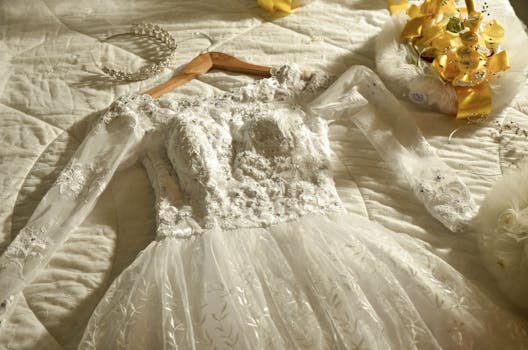
Lace's real charm lies in its versatility. Designers incorporate lace into everything from elegant wedding dresses and formalwear to casual blouses and accessories. Its semi-transparent nature offers numerous possibilities for layering and texturing, making it a favorite for adding depth and interest to outfits. Modern manufacturing techniques have introduced variations in lace patterns, from traditional florals to more contemporary geometric designs, broadening its appeal.
Contemporary Trends and Innovations
In contemporary fashion, lace remains a staple, celebrated for its blend of classic beauty and adaptability. The introduction of synthetic fibers and metallic threads has expanded the boundaries of lace design, allowing for more durability and new textures. Fashion designers often leverage lace to add a touch of romance and sophistication to their collections, making it a perennial favorite on runways.
The Role of Lace in Vintage and Retro Fashion
Lace has a special place in vintage and retro fashion trends. Designers frequently draw inspiration from historical garments, integrating lace to create a nostalgic yet modern aesthetic. This fusion of old and new resonates well with fashion enthusiasts who appreciate both the historical significance and the contemporary versatility of lace.
Sustainability and Ethical Production
As the fashion industry focuses more on sustainability, lace production has also adapted. Increasing demand for eco-friendly materials has led to the use of organic cotton and reduced waste production techniques in lace manufacturing. These changes are not only environmentally beneficial but also respond to the growing consumer demand for responsible fashion.
Socio-Cultural Impact
Beyond its aesthetic value, lace is imbued with cultural significance. It has been a centerpiece in significant life events like weddings and christenings, symbolizing purity and continuity. Today, lace still embodies a blend of tradition and innovation, capturing both a sentimental value and a cutting-edge appeal in fashion.
Conclusion
Lace fabric's impact on fashion trends is both profound and multifaceted. From its historical roots as a luxury item to its modern-day applications in diverse fashion genres, lace continues to enchant and innovate. Its ability to evolve while maintaining its classic allure ensures that lace will remain a beloved element in the fashion industry for future generations. As designers continue to explore and reinvent lace, its trajectory in fashion promises to be as intricate and fascinating as the fabric itself.