Lace, with its intricate patterns and delicate texture, has long been a symbol of elegance and sophistication in the world of textile design. This fabric is not only a testament to the artistic skills of its creators but also a key element in fashion and interior decor that continues to enchant with its timeless beauty.
The history of lace dates back to the 16th century, originating in Europe where it was first used as an ornamental fabric for the nobility. Over the centuries, lace making evolved into a highly skilled craft, with different regions developing their own unique styles and techniques. From the fine, detailed work of Belgian lace to the bold and geometric patterns of Venetian lace, each type has its own story and character.
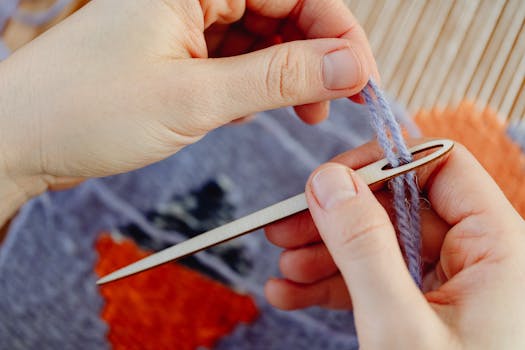
Lace is made by interlocking threads together, without any backing fabric, to create a transparent or semi-transparent textile. There are two main types of lace-making techniques: needle lace, where the lace is created using a needle and thread; and bobbin lace, where threads are woven together on a pillow using bobbins. Each method requires a high level of precision and skill, making lace-making a revered art form.
.png)
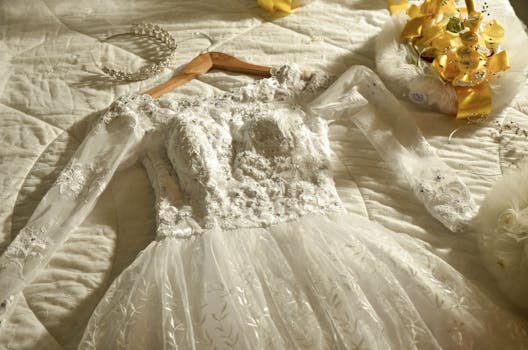
In contemporary fashion, lace continues to play a pivotal role. Designers often use lace to add a touch of elegance and femininity to their creations. Whether it's a lace-trimmed evening gown, a chic lace blouse, or even lace-covered accessories, the fabric's appeal is undeniable. Lace does not only enhance the aesthetic of garments but also adds texture and depth, making it a favorite choice for bridal wear and haute couture.
Moreover, lace is not confined to the world of fashion alone. In interior design, lace is used to bring a soft and elegant touch to home decor. Lace curtains, tablecloths, and bedding items are popular for their ability to add a light, airy feel to any space. The transparency of lace allows for sunlight to filter through, creating patterns that enhance the ambiance of a room.
The production of lace has also embraced modern technology. While traditional hand-made lace is still highly valued, machine-made lace offers a more affordable alternative that keeps up with the high demand in the fashion and design industries. Advances in technology have allowed for more complex and precise patterns that can mimic the look and feel of hand-made lace.
Sustainability is another aspect that has come into play in recent times. As the textile industry seeks to reduce its environmental impact, the production of lace is also adapting. Sustainable practices in lace production include using organic cotton or recycled materials to make lace, as well as implementing energy-efficient manufacturing processes.
In conclusion, lace is a versatile and enduring element in textile design that exudes elegance and sophistication. Its rich history, combined with its ability to adapt to modern trends and technologies, ensures that lace remains a beloved fabric in both fashion and interior design. Whether it is through the delicate work of a hand-made piece or the precision of machine-made patterns, lace continues to captivate and inspire with its timeless beauty.