The resurgence of knitted fabrics in contemporary fashion is a testament to their adaptability and enduring appeal. Once confined to the realm of basic garments, these textiles are now at the forefront of fashion innovation, driven by a confluence of cultural shifts, technological progress, and a commitment to sustainability.
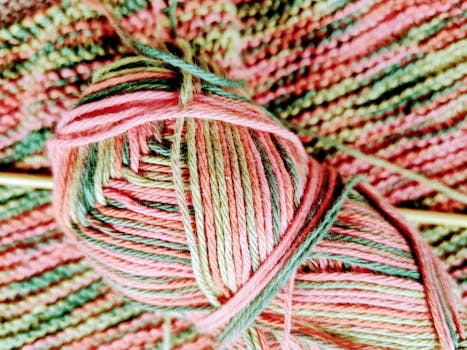
Knitted fabrics are distinguished by their method of production, where yarn is formed into consecutive rows of loops, rather than being woven on a loom. This technique imparts unique properties to the fabric, including stretchability, softness, and breathability, making it exceptionally suited to the demands of modern apparel. These characteristics have catapulted knitted fabrics from traditional uses in homely sweaters and socks to the pinnacle of fashion sophistication.
The technological revolution in knitting machines has been pivotal in this transformation. Modern knitting technology allows for intricate patterns and detailed textures that rival those of woven fabrics, facilitating a broader palette for designers to work with. This has enabled the creation of everything from delicate lace to robust technical fabrics, expanding the use of knitted materials beyond conventional applications.
.png)
In the realm of fashion, the versatility of knitted fabrics is particularly valued. Designers appreciate the ability to craft garments that combine aesthetic appeal with unparalleled comfort. The elasticity of knits offers excellent fit and movement, making them ideal for the dynamic lines of contemporary fashion—from the sleek silhouette of a fitted dress to the relaxed drape of a casual tee.
The influence of athleisure—a trend that merges athletic and leisure wear—has further propelled knitted fabrics into the spotlight. As consumers seek garments that facilitate a seamless transition from workout routines to casual social settings, the demand for soft, stretchable, and durable knits has surged. This trend underscores the growing preference for multifunctional, comfortable clothing that does not compromise on style.
Sustainability also plays a critical role in the renewed popularity of knitted fabrics. Knitting is a more resource-efficient process than weaving, often resulting in less fabric waste. Moreover, the industry's pivot towards sustainable practices has led to the increased use of eco-friendly yarns made from recycled materials and natural fibers like bamboo and hemp. These developments resonate well with environmentally conscious consumers who are increasingly looking for fashion choices that reflect their values.
The advent of 3D knitting technology marks another exciting chapter in the story of knitted fabrics. This innovation enables the production of complex, seamless garments that reduce waste and streamline the manufacturing process. 3D knitting not only enhances the aesthetic and functional qualities of knitted garments but also aligns with the industry's move towards more sustainable production techniques.
High fashion has also embraced the artistic and experimental potential of knitted fabrics. Designers are pushing the boundaries of what can be achieved with knitting, crafting avant-garde pieces that challenge traditional perceptions of knitwear. This creative exploration has helped elevate knitted garments to a status previously reserved for haute couture, showcasing their transformative and versatile nature.
In conclusion, the ascent of knitted fabrics in contemporary fashion is a dynamic and ongoing narrative fueled by innovation, versatility, and a commitment to sustainability. As these textiles continue to evolve, they promise to redefine fashion norms, offering new possibilities for comfort, functionality, and environmental stewardship in the world of fashion.