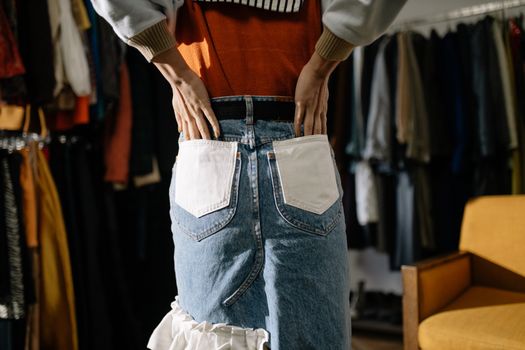
Denim is a wardrobe staple beloved for its versatility, durability, and timeless style. Whether it’s your favorite pair of jeans, a classic jacket, or a chic denim skirt, these pieces can last for years—if you care for them properly. Unfortunately, many people unknowingly shorten the life of their denim through improper washing, drying, and storage habits. With global denim sales reaching $64.5 billion in 2023 and the average American owning seven pairs of jeans, learning the best ways to preserve denim is not only eco-friendly but also budget-wise. In this guide, discover expert-approved techniques to maximize the lifespan of your denim clothing and keep it looking its best.
The Science Behind Denim Longevity
Denim is a sturdy cotton twill fabric, originally designed for hard labor. Its durability comes from the unique weaving method, with indigo-dyed warp threads and undyed weft threads. However, even tough denim isn’t immune to wear and tear. Friction, harsh detergents, frequent washing, and sun exposure can all break down fibers, cause fading, and lead to stretching or shrinking.
A 2022 study by the International Fabricare Institute found that jeans washed after every wear lost 20% more tensile strength over a year than those washed every 5-10 wears. Washing frequency and method are just two factors that impact denim’s longevity, making it essential to understand how everyday habits affect your favorite pieces.
.png)
How Often Should You Wash Denim?
One common misconception is that denim must be washed after each use. In reality, over-washing accelerates fading and fiber breakdown. Levi Strauss & Co., a denim authority with over 150 years of experience, recommends washing jeans only every 10 wears or when visibly soiled. For jackets, skirts, and shirts, the interval can be even longer—sometimes up to 20 wears.
If you’re concerned about hygiene, spot cleaning with a damp cloth and mild soap can address stains without subjecting the entire garment to the rigors of a wash cycle. For odor control, air out your denim after each wear. Some enthusiasts even advocate freezing jeans to kill bacteria and freshen them up, though scientific reviews suggest airing out is just as effective and less likely to damage fibers.
Best Washing Techniques for Denim
When it’s finally time to wash, the method matters. Here are key steps to extend denim’s life:
1. $1: This protects the indigo dye and reduces surface abrasion. 2. $1: Hot water can shrink denim and fade dye. Cold water is gentler and more energy-efficient. 3. $1: Reduces agitation, which leads to less friction and wear. 4. $1: Harsh detergents strip dye and break down cotton fibers. Look for products formulated for dark colors or delicate fabrics. 5. $1: Bleach causes fading, and softeners can damage the fabric’s structure.For those committed to the ultimate care, hand washing is the gold standard. Fill a basin with cold water and a small amount of detergent, swish gently, soak for 30 minutes, then rinse thoroughly. This minimizes stress on the fabric compared to machine washing.
Drying and Storing Denim: What Works Best?
Drying is another critical factor in denim longevity. The high heat of tumble dryers is a major culprit for shrinkage, weakening, and warping. Instead, after washing, gently shake out the garment to reshape it, then hang it to air dry. Direct sunlight can also fade colors, so choose a shaded, well-ventilated area.
Proper storage further extends denim’s life. Heavy denim like jeans or jackets should be folded rather than hung to maintain their shape and prevent stretching at the shoulders. For lighter-weight items, padded hangers offer gentle support.
Below is a comparative overview of drying methods for denim:
| Drying Method | Impact on Longevity | Fading Risk | Energy Use |
|---|---|---|---|
| Machine Dry (High Heat) | High wear, causes shrinkage | High | High |
| Machine Dry (Low/No Heat) | Moderate wear | Medium | Medium |
| Air Dry (Indoors) | Minimal wear | Low | None |
| Air Dry (Direct Sunlight) | Minimal wear | High | None |
| Air Dry (Shade) | Minimal wear | Low | None |
Repair, Reuse, and Reinforce: Preventative Denim Care
No matter how well you care for denim, signs of wear—like fraying hems, holes at the knees, or thinning fabric—will eventually appear. However, regular maintenance can delay these issues and even add character to your clothing.
- $1 with iron-on patches or visible mending techniques like sashiko embroidery. This not only extends the life of your garment but adds unique flair. - $1 (such as pockets and belt loops) by sewing with matching thread before holes develop. - $1 to prevent further unraveling.Globally, the trend toward visible mending is gaining traction: The hashtag #visiblemending has over 450,000 posts on Instagram, reflecting a growing appreciation for repair over replacement.
If a piece is beyond repair, repurpose the fabric into accessories or home goods, contributing to sustainability and reducing textile waste. In 2022, over 13 million tons of textiles were discarded in the U.S. alone—extending the life of denim makes a real difference.
Eco-Friendly Denim Care: Conserving Water and Reducing Waste
Proper denim care isn’t just about saving money or preserving your favorite jeans. It’s also an eco-conscious choice. Denim production is water-intensive, with a single pair of jeans requiring up to 1,800 gallons of water from cotton plant to finished product. By washing denim less frequently and using cold water, you save both water and energy.
Additionally, investing in quality pieces that you maintain well can reduce your overall consumption. According to a 2023 survey, 85% of customers who practiced conscious clothing care reduced their fashion purchases by 20% or more annually.
Brands are responding, too: Many offer recycling programs for worn-out denim. Some even design jeans with reinforced seams and replaceable hardware to make repairs easier and further extend the product’s lifespan.
Final Thoughts on Making Denim Last
Denim is more than just a wardrobe staple—it’s a reflection of personal style and, increasingly, sustainability values. By understanding the science of fabric care, adopting smart washing and drying habits, and embracing repair and reuse, you can significantly extend the life of your denim clothing. Not only does this save you money and reduce your environmental footprint, but it also allows your favorite pieces to tell their own unique story, developing character and patina that only comes with time.
The next time you reach for those beloved jeans or that classic jacket, remember: a little extra care goes a long way. Treat your denim right, and it will reward you with years of faithful service and timeless style.