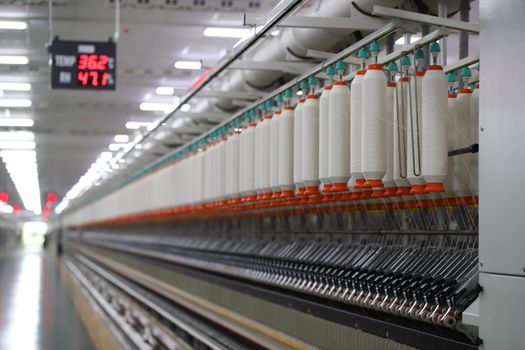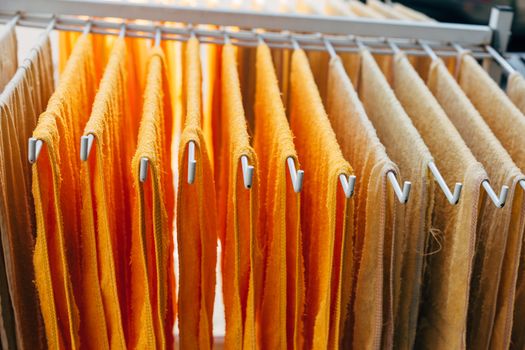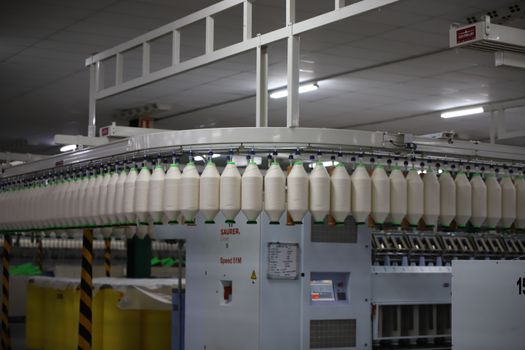
The textile industry is experiencing a dramatic transformation driven by revolutionary materials and cutting-edge technologies. From fabrics that generate electricity to bioengineered fibers and digital fabrication, the way we make, use, and think about textiles is being rewritten. These advances are not just making clothing smarter or more sustainable; they’re shaping industries as diverse as healthcare, automotive, sportswear, and even architecture. Let’s explore the new materials and technologies that are truly changing the world of textiles, and what they mean for the future.
The Rise of Smart Textiles: Beyond Basic Fabrics
Smart textiles—also known as e-textiles—are one of the most exciting areas of innovation. These aren’t just fabrics; they’re responsive systems that interact with their environment or the people wearing them. According to a 2023 report from IDTechEx, the global smart textiles market is projected to reach $5.5 billion by 2027, up from $2.3 billion in 2022.
Smart textiles can include embedded sensors, conductive threads, or microprocessors. For example, Levi’s and Google collaborated on the Jacquard jacket, which allows the wearer to control their phone with a swipe on the sleeve. Meanwhile, researchers at MIT have developed fibers that can sense, store, and process data—essentially turning fabric into a computer.
.png)
Applications extend beyond fashion. In healthcare, smart bandages can monitor wounds and deliver medication. In sports, sensors in clothing can track biometric data such as heart rate or muscle movement. Military and emergency services are also investing in textiles that respond to environmental hazards or monitor vital signs in real time.
Eco-Innovation: Sustainable Fibers and Biodegradable Materials
Environmental concerns have pushed the textile industry to find alternatives to traditional, resource-intensive fibers like cotton and polyester. The production of polyester, for example, consumes more than 70 million barrels of oil each year, while conventional cotton farming uses about 16% of the world’s insecticides.
New materials are addressing these challenges:
- $1: Made from sustainably sourced wood pulp, this fiber is produced in a closed-loop process that recycles 99% of the water and solvents used. - $1: Developed from pineapple leaf fibers, Piñatex provides a cruelty-free alternative to leather, already used by brands like Hugo Boss and H&M. - $1: Companies like MycoWorks and Bolt Threads are developing leather-like materials from mushroom roots (mycelium), which are biodegradable and require far less water than animal hides. - $1: Brands like Patagonia and Adidas are using rPET made from post-consumer plastic bottles, helping to reduce landfill waste.In 2022, the global market for sustainable textiles was valued at $69 billion, and it is expected to reach $150 billion by 2030, according to Grand View Research.
Bioengineering and Lab-Grown Fibers: Redefining Performance and Possibilities
Bioengineering is opening the door to fibers with properties previously unimaginable. Unlike traditional textiles, which rely on agricultural or petrochemical sources, these new fibers are designed at the molecular level.
- $1: Companies like Spiber (Japan) and AMSilk (Germany) are producing spider silk proteins through fermentation with genetically engineered bacteria or yeast. Spider silk is five times stronger than steel by weight and is also lightweight and biodegradable. - $1: Startups are working on cellulose fibers with custom properties—such as enhanced moisture-wicking, strength, or dyeability—by tweaking the genes of the feedstock plants or bacteria.These innovations are especially attractive for performance wear, medical textiles, and aerospace. For example, Adidas’s Futurecraft Biofabric shoes feature an upper made from Biosteel fiber, a synthetic spider silk.
Digital Fabrication: 3D Printing and Automated Weaving
Digital technologies are reshaping how textiles are designed and manufactured. 3D printing (additive manufacturing) and automated weaving allow for unprecedented customization, efficiency, and waste reduction.
- $1: Companies like Stratasys and Ministry of Supply are experimenting with printing flexible, wearable garments directly from digital designs. In 2023, Adidas released a 3D-printed midsole in its 4DFWD shoes, which features a lattice structure impossible to make with traditional techniques. - $1: Advanced machines, such as Stoll’s flat knitting systems, can produce seamless garments with complex patterns and integrated functionalities, reducing fabric waste by up to 30% compared to cut-and-sew methods. - $1: Digital fabrication enables just-in-time manufacturing, reducing overproduction and inventory needs. In 2022, it was estimated that 30% of all clothing produced worldwide is never sold, ending up as waste—on-demand production offers a solution.Comparing Traditional vs. Next-Gen Textile Materials
To better understand the impact of these innovations, here’s a comparison between conventional materials and some of the newest alternatives:
| Material | Source | Environmental Impact | Key Advantages | Notable Brands/Uses |
|---|---|---|---|---|
| Cotton | Plant (natural fiber) | High water and pesticide use | Comfortable, breathable | Levi’s, Calvin Klein |
| Polyester | Petroleum (synthetic) | Non-biodegradable, high emissions | Durable, cheap | Adidas, Nike |
| TENCEL™ Lyocell | Wood pulp (sustainable) | Low water use, biodegradable | Soft, moisture-wicking | Patagonia, Lenzing |
| Piñatex | Pineapple leaves (agri-waste) | Low impact, biodegradable | Vegan leather alternative | Hugo Boss, H&M |
| Mycelium Leather | Mushroom roots | Biodegradable, low water use | Customizable, sustainable | Stella McCartney, Adidas |
| Spider Silk (bioengineered) | Fermented proteins | Biodegradable, less energy | Super-strong, lightweight | Adidas Futurecraft, Bolt Threads |
Nanotechnology and Advanced Surface Treatments
Nanotechnology is revolutionizing the performance and functionality of textiles. By manipulating materials at the molecular or atomic level, scientists can create fabrics with remarkable properties:
- $1: Nanocoatings, such as those used by Nanotex or Schoeller Technologies, make fabrics repel water, oil, and dirt without affecting breathability. - $1: Silver or copper nanoparticles embedded in fabrics can kill bacteria and viruses. In 2021, the antimicrobial textile market was valued at $10.5 billion, driven by demand for protective clothing during the COVID-19 pandemic. - $1: Nanoparticles like zinc oxide or titanium dioxide can be incorporated to block harmful ultraviolet radiation, useful for outdoor and sportswear. - $1: Inspired by the lotus leaf effect, some textiles can shed dirt and stay clean with minimal washing, extending garment life and reducing water use.These innovations are being leveraged in medical uniforms, sports apparel, and even home furnishings.
How New Textile Technologies Are Impacting Everyday Life
The convergence of new materials and technologies is already visible in daily life:
- $1: Smart bandages, compression garments with embedded sensors, and antimicrobial hospital linens are improving patient care. - $1: Wearable tech is evolving from wristbands to “smart shirts” that track performance, hydration, and recovery. - $1: Lightweight, strong bioengineered fibers are reducing fuel consumption and emissions in vehicles and planes. - $1: Designers are experimenting with biodegradable, plant-based, or digitally fabricated garments, reducing environmental impact and enabling new aesthetics.According to McKinsey’s State of Fashion Technology Report 2023, 60% of leading fashion brands are investing in digital or sustainable textile innovations, signaling that these changes are here to stay.
Shaping the Future: What’s Next for Textiles?
The future of textiles is a blend of biology, digital innovation, and sustainability. As research and investment accelerate, we can expect to see:
- Mainstream adoption of lab-grown and biodegradable fibers, reducing dependence on oil and intensive agriculture. - Everyday clothing embedded with sensors for health, safety, and convenience. - Hyper-personalized garments produced on demand, minimizing waste. - Greater transparency and traceability, as blockchain and digital labeling become standard.While challenges remain—such as scaling production, managing costs, and ensuring true sustainability—the momentum is undeniable. The fabric of our lives is being rewoven, thread by thread, into something smarter, cleaner, and more responsive to our needs.