Overview
Choosing the right fabric can significantly influence the outcome of your textile projects. Knitted and woven fabrics are two of the most common types of textiles used across various industries, each with unique properties and specific uses. Whether you're a fashion designer, a hobbyist, or someone looking to furnish a home, understanding these differences can help you select the best fabric for your needs.
Knitted Fabrics
.png)
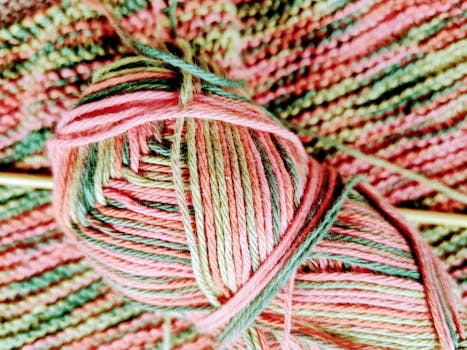
Definition and Manufacturing: Knitted fabrics are produced by interlocking loops of yarn, which can be accomplished either by hand or with knitting machines. This process results in a fabric that is inherently elastic and flexible. The continuous looping of yarn allows knitted fabrics to stretch significantly more than their woven counterparts.
Types: The primary types of knitting include:
- Weft Knitting: Where the loops run horizontally across the fabric. This is the most common form of knitting, used in everything from homemade scarves to mass-produced sweaters.
- Warp Knitting: In this method, the loops run vertically, producing a slightly less stretchy fabric used in more specialized applications like lingerie and athletic wear.
Common Uses: Due to their elasticity, knitted fabrics are ideal for clothing that requires a degree of stretchability, such as t-shirts, jerseys, hosiery, and other comfort-oriented garments.
Woven Fabrics
Definition and Manufacturing: Woven fabrics are created by weaving two sets of yarns at right angles to each other on a loom. The vertical threads are called warp, and the horizontal threads are called weft. This traditional method of fabric-making produces a more structured and stable textile.
Characteristics: Woven fabrics are less stretchy, offering greater durability and stability than knitted fabrics. They hold their shape well and are therefore used in applications that require form and function over flexibility.
Common Uses: Woven fabrics are preferred for their robustness in items such as jeans, formal shirts, and jackets. They are also extensively used in home décor for products like curtains, upholstery, and bed linens.
Key Differences
Production Speed and Efficiency: Knitting generally has a quicker turnaround than weaving, which involves a more labor-intensive setup. Knitted fabric production also tends to have higher yield efficiency, making it a cost-effective option for many manufacturers.
Texture and Appearance: Knitted fabrics typically have a softer texture and may appear more casual due to their stretchy nature. Woven fabrics, with their tight interlocking weave, offer a crisp and formal look.
Durability and Maintenance: Woven fabrics usually outlast knitted ones when it comes to durability due to their tight weave. However, knitted fabrics often require more careful handling during washing and wearing to avoid stretching out of shape.
Choosing the Right Fabric
Project Requirements: Consider the demands of your project. If elasticity and comfort are paramount, knitted fabrics are preferable. For structure and durability, go with woven fabrics.
Care and Maintenance: Knitted fabrics generally need gentle care to maintain their shape, while woven fabrics are easier to maintain and are less prone to damage during washing and regular use.
Conclusion
The choice between knitted and woven fabrics depends on the specific requirements of your project and the properties you value most in a fabric. By understanding these fundamental differences, you can make more informed decisions that enhance the quality and functionality of your final product. Whether for personal use or professional applications, the right fabric choice is key to achieving both aesthetic and practical success.