The intricate world of fabric weaving is at the heart of fashion’s most celebrated creations. From the shimmering silks of haute couture to the sturdy tweeds of classic tailoring, weaving transforms humble threads into expressive textiles that define style, comfort, and innovation. But what does it truly mean to weave fabric, and why does this ancient art remain so vital in today’s high-speed fashion industry? Exploring the art of fabric weaving in fashion uncovers a fascinating blend of tradition, creativity, and cutting-edge technology—each thread a testament to human ingenuity.
The Foundations of Fabric Weaving: Techniques and Traditions
Weaving is one of the oldest methods of fabric production, with archaeological evidence showing woven textiles dating back over 7,000 years. At its core, weaving involves interlacing two sets of yarns—the warp (vertical threads) and the weft (horizontal threads)—on a loom to create fabric. The technique’s fundamentals have stood the test of time, but the variety of weaving patterns and methods has exploded across cultures and centuries.
The two most basic and widely used weaving techniques are:
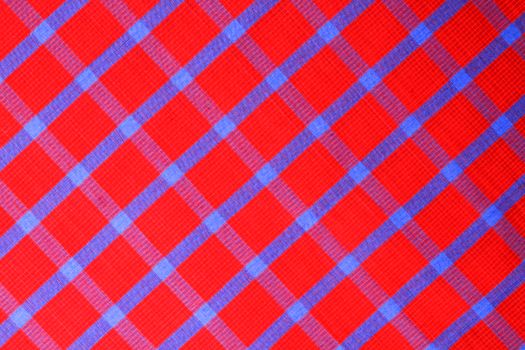
- Plain Weave: Also known as tabby weave, it alternates the warp and weft threads in a simple over-under pattern. This produces fabrics like poplin and muslin, prized for their balanced structure and versatility. - Twill Weave: Recognizable by its diagonal rib pattern, twill weave uses an offset sequence to create fabrics such as denim and gabardine. Twill is celebrated for its durability and ability to drape.Beyond these, more complex techniques like satin weave, jacquard, and dobby enable intricate patterns and textures. In Japan, the art of kasuri uses tie-dyed threads to create blurred motifs, while in India, the ikat tradition achieves similar effects through resist dyeing. In Europe, tapestry weaving blossomed during the Middle Ages, resulting in ornate wall hangings and garments for nobility.
.png)
This diversity not only preserves cultural heritage but also expands the creative vocabulary of contemporary fashion designers.
Weaving as Creative Expression in Contemporary Fashion
Modern fashion designers draw on weaving’s expressive potential to create signature looks and innovative fabrics. From avant-garde runways to sustainable fashion labels, weaving is reimagined as both art and statement.
For example, Belgian designer Dries Van Noten is renowned for collaborating with artisan weavers to develop unique textures and patterns for his collections. Similarly, British designer Stella McCartney emphasizes bespoke woven textiles in her sustainable fashion lines, using organic fibers and traditional techniques.
Designers are also pushing the boundaries of weaving by experimenting with unconventional materials. In 2020, Dutch designer Iris van Herpen showcased dresses woven from fine metal threads and recycled plastics, blurring the line between fabric, sculpture, and technology.
A 2022 report by the Textile Institute revealed that 47% of high-end fashion houses prioritize custom weaving techniques in their seasonal collections, up from 29% a decade earlier. This trend reflects a growing appreciation for the tactile and visual complexity that only woven textiles can achieve.
From Loom to Catwalk: The Role of Technology in Modern Weaving
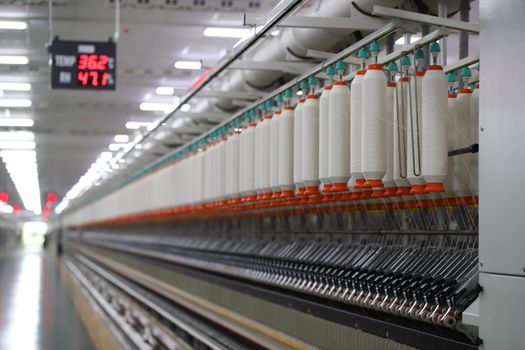
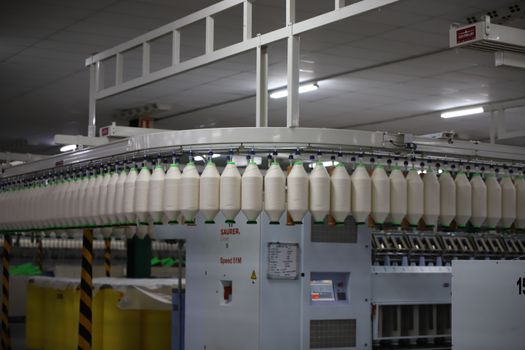
While traditional handlooms remain vital in artisan and luxury production, the majority of today’s fashion fabrics are produced using advanced mechanized looms. These machines, first introduced during the Industrial Revolution, have evolved dramatically:
- Jacquard Looms: Invented in 1804, these looms use punch cards (now digital files) to control individual warp threads, enabling the creation of highly detailed patterns and images. Modern jacquard looms can weave up to 1,200 picks per minute. - Air-Jet and Water-Jet Looms: These high-speed machines use bursts of air or water to propel weft threads, producing smooth, lightweight fabrics at rates of up to 1,500 meters per day.The integration of computer-aided design (CAD) systems allows textile engineers to simulate and adjust weave patterns before actual production, reducing waste and accelerating innovation. In 2023, the global market for woven textiles reached an estimated $285 billion, with Asia accounting for 62% of total production, much of it driven by advances in automated weaving technology.
Despite the rise of automation, handweaving continues to thrive in niche sectors. In countries like India, nearly 4.3 million people are employed in the handloom industry, producing distinctive fabrics that command premium prices in global markets.
Comparing Weaving Techniques: Impact on Fashion Fabrics
The choice of weaving technique has a profound impact on a fabric’s appearance, feel, and suitability for different garments. The table below summarizes key weaving methods and their influence on fashion:
| Weaving Technique | Common Fabrics | Characteristics | Fashion Applications |
|---|---|---|---|
| Plain Weave | Muslin, poplin, chiffon | Balanced, durable, matte finish | Shirts, blouses, dresses |
| Twill Weave | Denim, gabardine, tweed | Diagonal rib, strong, drapes well | Jeans, trousers, jackets |
| Satin Weave | Satin, charmeuse | Smooth, lustrous surface, delicate | Evening wear, lingerie |
| Jacquard Weave | Brocatelle, damask, tapestry | Intricate patterns, textured | Formalwear, upholstery, accessories |
| Handloom Weaving | Khadi, ikat, madras | Unique, artisanal, often irregular | Ethnic wear, boutique fashion |
Understanding these differences is crucial for both designers and consumers seeking the right fabric for a specific look or performance requirement.
Weaving, Sustainability, and the Future of Fashion
Sustainability is one of the defining challenges for the fashion industry, and weaving plays a central role in the quest for eco-friendly textiles. Handweaving, in particular, is celebrated for its minimal environmental impact: it uses less energy, produces less waste, and often supports local economies.
A 2021 study by the Ethical Fashion Initiative found that handwoven textiles have a carbon footprint up to 60% lower than machine-woven equivalents. Moreover, handweaving frequently utilizes natural fibers such as organic cotton, linen, or wool, which are biodegradable and less polluting.
Major brands are taking notice. In 2023, luxury fashion house Chloé launched a capsule collection featuring handwoven fabrics from women’s cooperatives in Burkina Faso, directly supporting artisan livelihoods and traditional skills.
On the technological front, weaving innovations are making mainstream production greener. Recycled yarns, waterless dyeing, and zero-waste weaving techniques are being adopted to reduce fashion’s environmental footprint. The use of digital jacquard weaving also allows for on-demand production, minimizing overstock and fabric waste.
Yet, challenges remain. The global handloom sector faces threats from cheaper synthetic alternatives and declining artisan populations. Efforts to preserve weaving traditions—through education, fair trade initiatives, and designer collaborations—are essential to sustaining this vital art form.
The Enduring Allure: Why Fabric Weaving Captivates Fashion
The art of fabric weaving continues to captivate the fashion world because it embodies a rare combination of heritage, versatility, and innovation. Every woven fabric tells a story—of skilled hands, cultural identity, and creative vision. Whether it’s the classic check of a Harris Tweed jacket or the luminous gleam of a silk sari, woven textiles form the very fabric of fashion’s identity.
Consumers are increasingly drawn to the authenticity and craftsmanship woven into their garments. According to a 2022 survey by GlobalData, 68% of fashion shoppers aged 18-35 say they value “artisanal quality” and “unique textures” when purchasing clothing. This shift is driving demand for both traditional handwoven pieces and designer collections that celebrate weaving’s artistry.
As the industry evolves, weaving stands not as a relic of the past, but as a dynamic force shaping the future of fashion—sustaining communities, inspiring innovation, and enriching style with every thread.