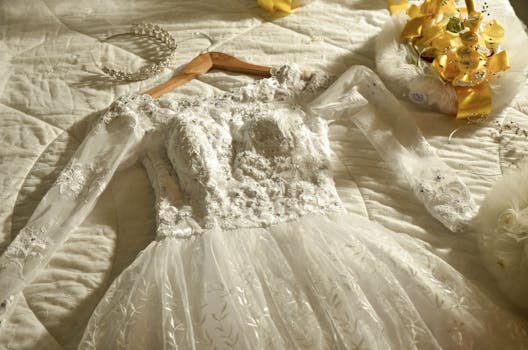
Lace fabric undeniably holds a special place in the world of fashion, enchanting with its intricate beauty and versatility. Whether it's adding a touch of elegance to everyday wear or serving as the centerpiece of a bridal gown, lace continues to be an essential and beloved fabric in the fashion industry.
The Historical Significance of Lace
Lace-making is a refined craft with deep historical roots, believed to have originated in Europe during the Renaissance. This luxurious fabric was initially a symbol of status and wealth, accessible only to the affluent and royal. The meticulous process of handcrafting lace, which involved weaving together fine threads like linen, silk, and even gold, underscored its exclusivity.
.png)
As time progressed, technological advancements in the 19th century introduced machine-made lace, democratizing the fabric and integrating it into more common fashion items. This shift not only made lace more accessible but also expanded its use beyond traditional luxury garments to everyday apparel.
Exploring Different Types of Lace
Lace is not a monolith but comes in various forms, each distinct in its texture and aesthetic appeal:
- Chantilly Lace: This lace is renowned for its fine, detailed motifs and light feel, making it a favorite for delicate bridal and evening wear.
- Guipure Lace: Known for its denser, more robust texture, Guipure lace is ideal for creating structured garments, such as jackets and formal dresses.
- Alençon Lace: Often called the "Queen of lace," this type features a strong net background embellished with thick embroidery, perfect for luxurious and opulent designs.
Lace in Modern Fashion
Today, lace remains a fixture on runways and in street style, beloved for its blend of classic beauty and versatility. Fashion designers frequently experiment with lace, incorporating it into diverse styles from avant-garde to minimalist. Lace can complement a variety of materials, such as rugged leather or casual denim, illustrating its adaptability and enduring appeal.
In bridal wear, lace is synonymous with romance and elegance. It is often chosen for wedding gowns where it lends depth and sophistication, crafting an ethereal and timeless look that captivates and enchants.
Lace in Menswear
Though less prominent in men’s fashion, lace does make appearances, adding a refined touch to menswear through detailed accents on shirts, ties, and even jackets. These subtle incorporations highlight lace's versatility and its ability to enhance sophistication in any garment.
Cultural and Fashionable Impact
Lace's impact on fashion is profound, influencing both high fashion and accessible market trends. Its ability to evoke a sense of nostalgia while remaining cutting-edge allows it to be a perennial favorite among designers. The fabric’s rich history, combined with its capacity for innovation, ensures that lace continues to inspire and excite within the fashion industry.
Conclusion
Lace fabric's enduring appeal in fashion is testament to its intrinsic beauty, historical richness, and versatile nature. As it continues to inspire new generations of fashion designers, lace remains a testament to the idea that traditional materials can be endlessly reinvented, remaining forever modern and captivating in the ever-evolving world of fashion.