Denim’s remarkable journey from the dusty mines of the 19th century to the world’s most sought-after fashion runways is a story of transformation, innovation, and cultural significance. Once strictly utilitarian, denim has weathered the tides of history to become a powerful symbol of rebellion, freedom, and style. In tracing the history of denim, we unravel not just the evolution of a fabric but also the ever-shifting landscape of global fashion, industry, and society.
Denim’s Humble Beginnings: From Nîmes to the American West
The roots of denim are woven deep in European soil. The word “denim” itself derives from “serge de Nîmes,” a sturdy twill fabric produced in the French town of Nîmes in the 17th century. This fabric, characterized by its diagonal weave, offered both strength and comfort. By the 18th century, similar fabrics made their way to England and then to American shores, where they met a new chapter.
It was in mid-1800s America that denim’s fate truly changed. Gold rush miners, railroad workers, and cowboys needed clothing that could withstand harsh conditions. In 1873, a tailor named Jacob Davis teamed up with dry goods merchant Levi Strauss to patent rivet-reinforced denim trousers. These pants, now known as “blue jeans,” set the standard for durability and quickly became the uniform of the American working class.
.png)
The earliest jeans cost $1.50 in 1880—equivalent to about $45 today. Their rugged construction, reinforced pockets, and copper rivets made them long-lasting, which was essential for workers who could not afford frequent replacements.
The Rise of Denim in American Culture
Denim’s identity as a symbol of hard work persisted well into the 20th century. During World War II, denim overalls and jackets were standard issue for American factory workers—especially women who stepped into industrial roles. Rosie the Riveter, the iconic image of female empowerment, is forever linked with denim.
After the war, denim’s reputation began to shift. In the 1950s, Hollywood rebels like James Dean in “Rebel Without a Cause” and Marlon Brando in “The Wild One” wore jeans as a badge of youthful defiance. This association with rebellion caused many schools to ban jeans, but the youth only embraced them more. By the 1960s and 70s, denim became synonymous with counterculture movements and civil rights protests. Faded, patched, or embroidered, jeans were a canvas for self-expression.
By 1975, it was estimated that 50% of Americans owned at least one pair of jeans. Sales surged as jeans became a wardrobe staple for men, women, and children alike.
Denim’s Global Expansion: From Americana to International Icon
The appeal of denim soon transcended American borders. In the 1970s and 80s, as global trade expanded, denim was exported around the world. The USSR famously banned blue jeans as a symbol of Western decadence, yet Soviet youth coveted them as an emblem of freedom and modernity. Black markets thrived, with imported Levi’s fetching prices up to six times their U.S. retail value.
By the 1980s, European designers like Giorgio Armani and Versace began incorporating denim into their collections, elevating its status from casual wear to high fashion. Japanese craftsmen also entered the scene, reviving traditional shuttle-loom weaving to produce premium selvedge denim—now a coveted material among denim aficionados.
Today, denim is a truly global phenomenon. Over 1.25 billion pairs of jeans are sold worldwide each year. Its universal appeal is evident in the diverse ways denim is worn, from the classic American five-pocket jean to modern skinny fits and artisanal, hand-dyed variations in Japan.
Innovation in Denim: Fabric, Fit, and Sustainability
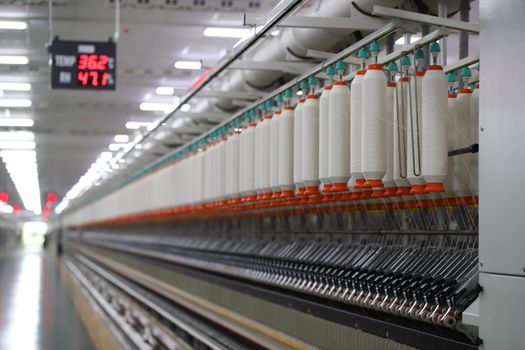
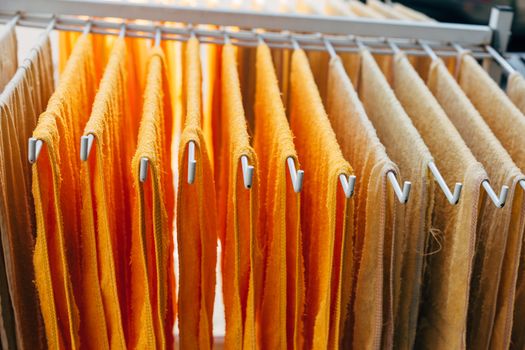
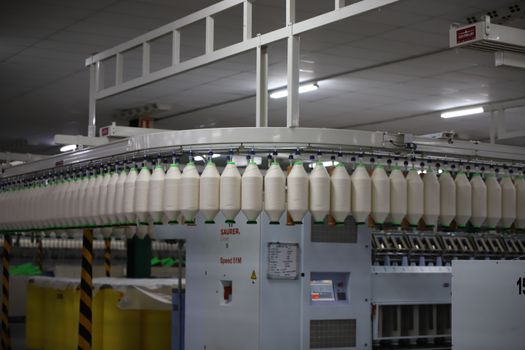
Denim’s evolution is not just about style but also technology and sustainability. In the 1980s and 90s, the introduction of synthetic fibers like elastane (spandex) into denim blends revolutionized comfort and fit, giving rise to stretch jeans. Stone-washing and acid-washing techniques created new visual textures and finishes, each decade offering its own hallmark look.
Today, with growing environmental concerns, the denim industry is undergoing another transformation. Traditional denim manufacturing is water- and resource-intensive; it takes an estimated 1,800 gallons of water to make a single pair of jeans. Leading brands are investing in eco-friendly practices, such as laser distressing, ozone washing, and recycled fibers. Companies like Levi’s, Wrangler, and H&M now offer lines made from organic cotton and post-consumer waste.
Let’s compare traditional and modern denim production methods:
| Aspect | Traditional Denim | Modern Sustainable Denim |
|---|---|---|
| Water Usage | ~1,800 gallons per pair | Up to 96% less water with new techniques |
| Chemical Use | Heavy dyes, acids, and bleaches | Reduced or replaced with eco-friendly alternatives |
| Energy Consumption | High, mostly non-renewable | Increasing use of renewable energy |
| Materials | Conventional cotton | Organic/recycled cotton, Tencel, hemp blends |
| Waste Management | Minimal recycling, high landfill impact | Closed-loop systems, upcycling, recycling |
The modern denim industry aims to balance fashion with responsibility, pushing for lower impact without sacrificing style or durability.
Denim as a Fashion Staple: Iconic Moments and Trends
Denim’s versatility has made it a staple across generations and cultures. In the 1980s, designer jeans by brands like Calvin Klein and Guess signaled status and sex appeal. Brooke Shields’ famous 1980 Calvin Klein ad (“Nothing comes between me and my Calvins”) catapulted jeans into the luxury market.
The 1990s and early 2000s saw the rise of diverse styles: baggy jeans in hip-hop culture, grunge-inspired ripped denim, and low-rise cuts made famous by pop stars like Britney Spears. High fashion runways began to experiment with deconstructed denim garments, and today, customizations like patchwork, embroidery, and upcycling are celebrated.
Denim’s adaptability is evident in its endless reinvention, from classic 501s to avant-garde runway pieces. In 2023, the global denim market was valued at $64.5 billion and is projected to reach $87.4 billion by 2030, according to Grand View Research. This growth is fueled by demand for innovative fits, sustainable materials, and the enduring appeal of denim’s storied heritage.
Denim in Pop Culture: Symbolism and Influence
Few fabrics have played as significant a role in pop culture as denim. It has been used to convey messages of rebellion, equality, and creativity. From Bruce Springsteen’s “Born in the U.S.A.” album cover to the all-denim “Canadian tuxedo” worn by Britney Spears and Justin Timberlake at the 2001 American Music Awards, jeans have become shorthand for authenticity and cool.
Denim is also a fixture in visual art and film. Andy Warhol’s series of jeans paintings in the 1970s elevated the garment to fine art. In cinema, jeans help define character archetypes—from the drifter cowboy to the urban rebel.
Celebrities, musicians, and designers continue to shape denim’s narrative, proving that this fabric is as much about identity and aspiration as it is about clothing.
Reflections on Denim’s Enduring Legacy
The story of denim is one of remarkable endurance and reinvention. From humble workwear to a $64.5 billion global industry, denim has woven itself into the very fabric of society. Its journey mirrors profound social changes—industrialization, the rise of youth culture, globalization, and the push for sustainability.
As trends come and go, denim remains steadfast—a blank canvas for innovation and individuality. Whether distressed, tailored, or raw, the allure of denim lies in its unique ability to adapt while staying true to its rugged roots. Its future, shaped by both heritage and technology, promises continued relevance for generations to come.