Denim and Its Impact on the Fashion Industry: How Are Trends Changing?
Denim has been a staple of the global wardrobe for over a century, evolving from rugged workwear to a symbol of rebellion and, ultimately, a fashion essential. Yet, the story of denim is far from static. Today, denim’s influence on the fashion industry is undergoing rapid transformation, shaped by innovation, shifting consumer values, and the relentless churn of trends. From the rise of sustainable practices to the resurgence of vintage aesthetics and the integration of technology, denim’s journey reflects broader changes in how we dress and express ourselves. This article explores the dynamic impact of denim on fashion, how trends are changing, and what the future may hold for this iconic fabric.
The Evolution of Denim: From Utility to High Fashion
Denim’s origins lie in practicality. First produced in the late 19th century as durable workwear for miners and laborers, denim quickly gained popularity for its tough, long-lasting nature. Levi Strauss & Co. patented the first blue jeans in 1873, and by the 1950s, denim had become a symbol of youth rebellion, thanks to Hollywood icons like James Dean and Marlon Brando.
By the 1970s and 1980s, denim had transcended its humble roots, becoming a canvas for self-expression. Designer brands, such as Calvin Klein and Guess, introduced premium jeans, elevating denim into the realm of high fashion. In 2023, the global denim market was valued at approximately $64.5 billion and is projected to reach $76.1 billion by 2027, with an annual growth rate of 4.2%. This staggering growth underscores denim’s enduring appeal and its adaptability to changing tastes and lifestyles.
.png)
Shifting Trends: The Rise of Diversity in Denim Styles
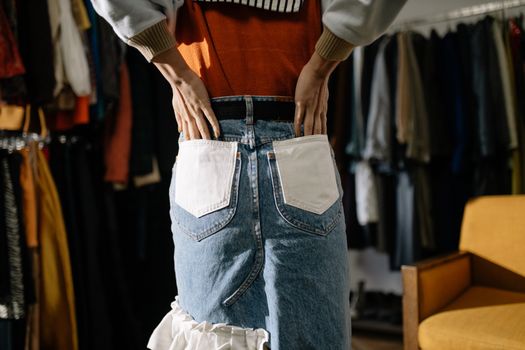
One of the most significant transformations in recent years has been the explosion of denim styles. Gone are the days when skinny jeans dominated the market. Today, fashion-forward consumers have more options than ever, from wide-leg and flared cuts to cropped and baggy fits. This diversity reflects a broader movement toward individuality and inclusivity in fashion.
In 2022, data from Edited, a leading retail analytics firm, showed a 150% increase in new wide-leg and relaxed-fit denim arrivals compared to the previous year. Additionally, Gen Z consumers are driving the demand for vintage-inspired styles, such as 'mom jeans' and 'dad jeans,' which prioritize comfort and retro flair over form-fitting silhouettes.
The trend table below highlights the changing popularity of denim fits over the past decade:
| Year | Skinny Jeans (%) | Wide-Leg/Relaxed (%) | Vintage/High-Waist (%) |
|---|---|---|---|
| 2014 | 65 | 15 | 20 |
| 2018 | 52 | 23 | 25 |
| 2023 | 28 | 42 | 30 |
This shift signals that consumers are increasingly seeking denim that reflects their personal style and values, rather than following a single, dominant trend.
Denim and Sustainability: Responding to Environmental Concerns
Denim production has long been associated with high water usage and chemical pollution. It can take up to 1,800 gallons of water to produce a single pair of traditional jeans, and the dyeing process often involves hazardous chemicals. As environmental awareness grows, both consumers and brands are rethinking their approach to denim.
Major companies such as Levi’s and Wrangler have launched sustainable denim lines using organic cotton, recycled fibers, and innovative dyeing techniques that dramatically reduce water and chemical usage. For example, Levi’s Water