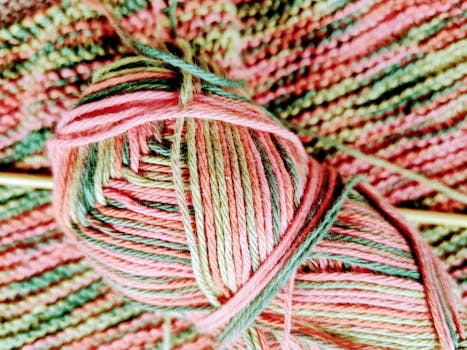
Knitted fabrics play a significant role in the textile industry, appreciated for their elasticity, breathability, and versatility. This deep dive into the world of knitted textiles will explore the techniques, materials, and applications that define this unique form of fabric creation.
Types of Knitting
Knitting is classified into two main types: weft knitting and warp knitting.
.png)
- Weft Knitting: The more prevalent form of knitting, where yarns run horizontally, looping into each other. This technique is celebrated for its adaptability in creating various patterns and is the foundation for garments like sweaters, hats, and socks.
- Warp Knitting: In this method, yarns run vertically, interlocking in a zigzag pattern. It's a quicker process and yields fabrics that are dimensionally stable, making it ideal for producing items such as lingerie, sportswear, and draperies.
Choice of Yarn
The properties of knitted fabrics heavily depend on the yarn used. Common materials include:
- Wool: Known for its warmth and breathability, wool is a staple for winter apparel.
- Cotton: Favored for its softness and comfort, cotton is versatile across many applications.
- Synthetic Fibers: Acrylic and polyester are durable and moisture-wicking, perfect for outdoor and performance wear.
Textural Techniques
Knitted fabrics can vary greatly in texture, influenced by different knitting techniques:
- Ribbing: Provides stretch and resilience, commonly used in cuffs and collars.
- Terry Knitting: Features loops that offer a plush feel, suitable for towels and cozy garments.
- Jacquard Knitting: Allows for intricate, multi-colored designs, used extensively in decorative and high-fashion contexts.
Applications
The use of knitted fabrics extends beyond everyday clothing. They are integral in:
- Fashion: For stretchy, form-fitting clothes like t-shirts and dresses.
- Medical: In creating compression garments and bandages that offer support and comfort.
- Automotive: Essential for airbags and seat covers due to their flexibility and cushioning properties.
Environmental Impact
Sustainability is a crucial aspect of textile production. Natural fibers like wool and cotton are renewable and biodegradable, making them more environmentally favorable. However, synthetic fibers, though durable, are petroleum-based and not as eco-friendly. Innovations in recycling and the development of bio-based fibers are making strides towards reducing the ecological footprint of synthetic materials.
Conclusion
The intricate world of knitted fabrics is both complex and captivating. As this sector continues to evolve, understanding the nuances of knitting techniques, yarn types, and their applications helps consumers make informed decisions and appreciate the craftsmanship in everyday textiles. Whether for fashion, functionality, or sustainability, knitted fabrics remain a vital part of the fabric industry's fabric.