Cotton’s Enduring Influence: Shaping the Global Textile Industry
Few natural fibers have influenced the development of the global textile industry as profoundly as cotton. From the bustling markets of ancient India to today’s sprawling textile mills, cotton’s story is deeply woven into the fabric of human civilization. The fiber's versatility, comfort, and adaptability have made it a cornerstone of textile production for centuries, impacting economies, societies, and the environment across continents.
This article explores the pivotal role of cotton in shaping the global textile industry. We’ll trace its historical roots, examine its economic impact, compare it with other major fibers, highlight technological innovations, and discuss the sustainability challenges and advancements driving the future of cotton textiles.
The Historical Roots of Cotton’s Dominance
Cotton’s journey as a textile powerhouse began thousands of years ago. Archaeological evidence suggests that cotton was cultivated as early as 5,000 BCE in both the Indus Valley (modern-day Pakistan and northwest India) and in regions of Peru. By the Middle Ages, cotton had become a valuable trade commodity, traveling along the Silk Road and reaching Europe through Arab merchants.
.png)
The Industrial Revolution in the 18th and 19th centuries cemented cotton’s dominance. The invention of the cotton gin by Eli Whitney in 1793 revolutionized production, increasing the speed of cotton processing by up to 50 times. By 1850, Britain was importing over 500 million pounds of raw cotton annually, fueling textile mills and making cotton fabric affordable to the masses. This period marked the beginning of cotton’s transformation from a luxury good to an essential commodity.
Today, cotton remains one of the world’s most important textile fibers, accounting for approximately 24% of global fiber production according to the International Cotton Advisory Committee (ICAC).
Cotton’s Economic Impact and Global Trade
The economic influence of cotton is vast and multifaceted. According to the United States Department of Agriculture (USDA), the global cotton market was valued at over $38 billion in 2022, with production reaching 25.4 million metric tons. More than 100 countries are involved in cotton production, trade, and processing, supporting millions of livelihoods.
Major cotton-producing countries include:
- China: The world’s leader in both cotton production and consumption, producing 5.98 million metric tons in 2022. - India: A close second, with 5.33 million metric tons. - United States: The top cotton exporter, producing 3.18 million metric tons. - Pakistan, Brazil, and Uzbekistan also rank among the top contributors.Cotton is a lifeline for rural economies. In West Africa, cotton provides income to over 15 million people, while in India, it supports the livelihoods of more than 5 million farmers. Cotton’s value chain extends from farming to ginning, spinning, weaving, and garment manufacturing, creating jobs at every stage.
The global trade of cotton is equally significant. The United States accounts for about 35% of all cotton exports, supplying mills in China, Vietnam, Bangladesh, and Turkey. These countries, in turn, produce clothing and home textiles for consumers worldwide, highlighting cotton’s role in the interconnected textile economy.
Comparing Cotton with Other Major Textile Fibers
Cotton is not the only fiber shaping the textile industry—polyester, wool, and other synthetics have also made their mark. However, cotton remains unique in its balance of comfort, breathability, and sustainability potential.
Below is a comparative overview of cotton and other key textile fibers:
| Fiber | Global Market Share (2022) | Strengths | Weaknesses | Typical Uses |
|---|---|---|---|---|
| Cotton | 24% | Natural, breathable, hypoallergenic, biodegradable | High water use, pesticide concerns, wrinkles easily | Apparel, home textiles, medical textiles |
| Polyester | 54% | Durable, inexpensive, wrinkle-resistant | Derived from petroleum, non-biodegradable | Sportswear, outerwear, home furnishings |
| Wool | 1.5% | Insulating, moisture-wicking, renewable | Can be itchy, expensive, shrinkage issues | Winter clothing, blankets, carpets |
| Viscose (Rayon) | 6% | Soft, drapes well, versatile | Uses chemicals in production, not as durable | Dresses, linings, upholstery |
While polyester dominates the fiber market due to its low cost and durability, cotton’s comfort and natural feel keep it in high demand for clothing and home textiles. In 2022, the global cotton apparel market alone was valued at over $90 billion, according to Statista.
Technological Innovations in Cotton Processing
The cotton industry has continually adapted to technological advancements, improving fiber quality, efficiency, and sustainability.
Key innovations include:
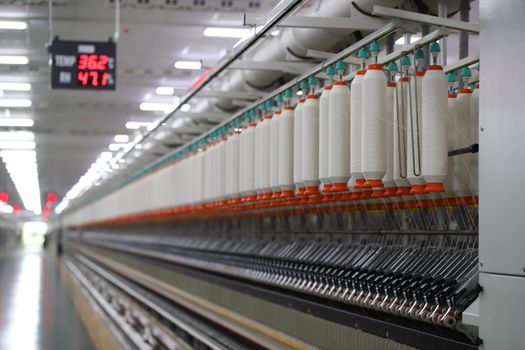
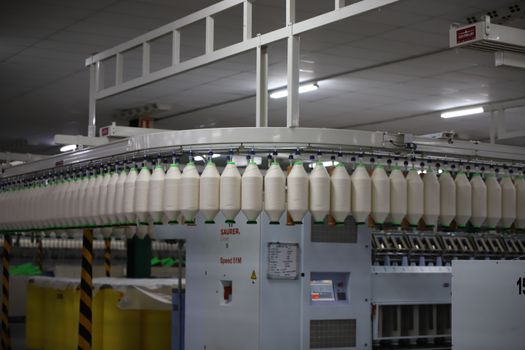
- $1: First commercialized in 1996, GM cotton now accounts for about 80% of global cotton acreage. These varieties offer pest resistance and higher yields, reducing the need for chemical pesticides by up to 50% according to the International Service for the Acquisition of Agri-biotech Applications (ISAAA). - $1: Automation and computerization have transformed cotton mills. Advanced spinning systems increase output and consistency, while electronic looms can produce complex fabrics at faster speeds. - $1: Drip irrigation and sensor-based systems help cotton farmers reduce water usage by up to 40%, addressing one of the crop’s most significant environmental challenges. - $1: Blockchain and digital tagging are being adopted to track cotton from farm to finished product. This ensures transparency in sourcing and helps brands verify sustainable practices.These innovations not only enhance productivity but also address growing consumer demand for sustainable and ethically produced textiles.
Cotton’s Social and Cultural Impact
Beyond economics and technology, cotton holds a unique place in the social and cultural fabric of societies worldwide. Its cultivation and trade have shaped communities, traditions, and even political movements.
- In the American South, cotton was central to the economy and, tragically, to the history of slavery. The “King Cotton” era influenced the course of the Civil War and the socioeconomic landscape for generations. - In India, Mahatma Gandhi’s promotion of “khadi” (hand-spun cotton cloth) became a symbol of resistance against British colonial rule. The spinning wheel remains a national icon, representing self-reliance and independence. - In West Africa, traditional cotton textiles such as “bogolanfini” (mud cloth) and “kente” are integral to cultural identity and ceremonial life.Today, cotton continues to inspire designers, artists, and activists who value its heritage and versatility.
Sustainability Challenges and the Future of Cotton
Despite its many strengths, cotton faces significant sustainability challenges. The crop is often associated with high water consumption—producing 1 kilogram of cotton (enough for a T-shirt and jeans) can require up to 10,000 liters of water, according to the World Wildlife Fund (WWF). Conventional cotton farming also relies on pesticides and fertilizers, which can harm ecosystems and human health.
In response, the industry is embracing more sustainable practices:
- $1: Grown without synthetic chemicals, organic cotton represents about 1% of global production but is growing rapidly, with a 37% increase in 2021 according to Textile Exchange. - $1: This global program works with farmers to reduce water, pesticide, and fertilizer use, reaching over 2.5 million farmers in 23 countries. - $1: Textile recycling technologies are allowing mills to blend post-consumer and pre-consumer cotton waste into new fabrics, reducing the need for virgin material.Brands and retailers are also playing a role. Major apparel companies like Levi’s, H&M, and Nike have set ambitious targets for sourcing more sustainable cotton by 2025.
The future of cotton will depend on continued innovation, stronger regulations, and consumer awareness. With global fiber demand projected to reach 134 million tons by 2030, according to the United Nations, cotton’s share and sustainability will remain central to the industry’s evolution.
Final Thoughts: Cotton’s Lasting Legacy in the Textile World
From ancient origins to modern marvels, cotton has played a defining role in building the global textile industry. Its unique combination of comfort, versatility, and economic importance ensures that it remains at the heart of textile manufacturing and fashion, even as synthetic fibers gain ground.
The challenges of sustainability, water use, and fair labor remain pressing, but ongoing innovations and responsible practices are paving the way for a more resilient and ethical cotton industry. As consumers become more conscious of their textile choices, cotton’s story is set to evolve yet again, balancing heritage with the demands of a changing world.