Denim has long been a wardrobe staple, evolving from rugged workwear to a symbol of style and self-expression across the globe. But as technology races forward and consumer expectations shift, the future of denim textiles promises an unprecedented transformation. Today’s jeans are just the beginning—emerging technologies are set to redefine comfort, durability, customization, and sustainability in ways we could only imagine a decade ago. This article explores the innovative advancements poised to reshape the denim landscape, revealing how the jeans of tomorrow will offer far more than just classic blue.
Smart Denim: Embedding Technology in Everyday Jeans
Smart textiles are moving from the laboratory to the mainstream, and denim is no exception. The integration of electronic components into denim is opening up a new wave of functionality. Leading brands and tech companies are already experimenting with conductive fibers, sensors, and microprocessors woven directly into the fabric.
One groundbreaking example is Google’s Project Jacquard, a collaboration with Levi’s. This innovative project embeds touch-sensitive fibers into denim, allowing wearers to interact with their smartphones by simply swiping or tapping their jacket sleeve. The first commercial product, the Levi’s Commuter Trucker Jacket, lets cyclists answer calls, change music, and receive navigation updates—without ever pulling out their phone.
.png)
Additionally, new developments in washable, flexible sensors are laying the groundwork for biometric tracking in denim. In the next few years, we may see jeans that monitor heart rate, track posture, or even measure muscle exertion, all while looking and feeling like traditional denim. According to a report by MarketsandMarkets, the global smart textiles market is projected to reach $13.6 billion by 2024, a clear indication that smart denim will soon be part of our everyday lives.
Revolutionizing Denim Production: 3D Weaving and Seamless Construction
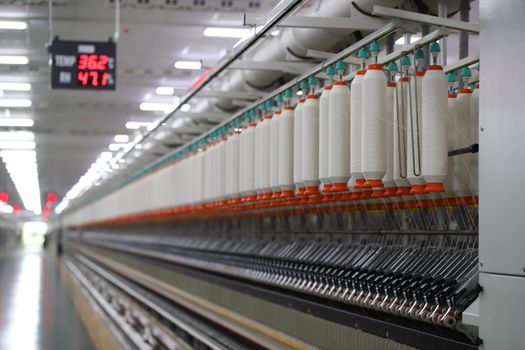
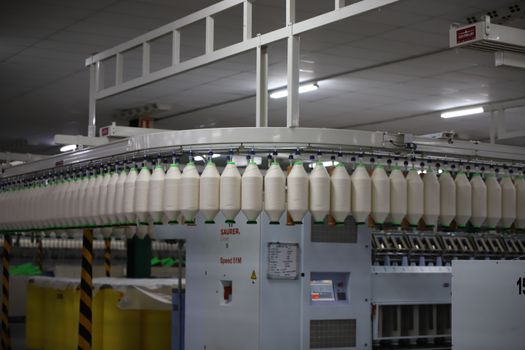
Traditional denim manufacturing involves multiple steps: weaving, cutting, stitching, and finishing. These processes are labor-intensive, generate significant waste, and limit design flexibility. Enter 3D weaving and seamless garment technology—innovations that are transforming how jeans are made from the yarn up.
3D weaving allows for the creation of complex, multi-layered denim textiles in a single operation. Using computer-controlled looms, manufacturers can produce denim with varying thickness, stretch, and breathability in targeted areas. This means jeans can be tailored for optimal comfort and performance, with reinforced knees for cyclists or ventilated panels for hot climates.
Seamless construction, commonly used in sportswear, is also making its mark on denim. By knitting a garment in one piece, manufacturers minimize seams, reduce fabric waste by up to 30%, and offer a smoother, more comfortable fit. Brands like Unspun are leveraging 3D body scanning and robotic weaving to create custom-fit jeans on demand, reducing inventory and unsold stock while delivering a truly personalized product.
The shift to these advanced manufacturing techniques is not just about innovation—it’s about efficiency and sustainability. According to the Ellen MacArthur Foundation, the fashion industry produces 92 million tons of textile waste annually. By adopting 3D and seamless technologies, denim brands can significantly reduce their environmental footprint while offering consumers next-level comfort and style.
Next-Generation Materials: Beyond Traditional Cotton
Cotton has been the backbone of denim for over 150 years, but the future points toward a wider array of fibers and fabric blends. Driven by the need for sustainability and enhanced performance, textile innovators are exploring alternatives that promise to change how we wear and care for our jeans.
TENCEL™ lyocell, derived from sustainably sourced wood pulp, is one of the most promising new fibers. It offers superior moisture management, increased softness, and a smaller ecological impact compared to traditional cotton. According to Lenzing AG, TENCEL™ production uses up to 20 times less water than conventional cotton farming.
Another groundbreaking material is recycled polyester made from post-consumer plastic bottles. Brands like Everlane and G-Star RAW incorporate these fibers into their denim lines, reducing reliance on virgin resources and diverting plastic waste from landfills and oceans. Similarly, hemp is gaining traction thanks to its durability, breathability, and rapid growth cycle—requiring less water and pesticides than cotton.
For those seeking even more advanced performance, phase change materials (PCMs) are being integrated into denim. PCMs store and release thermal energy, allowing jeans to adapt to fluctuations in body temperature and ambient conditions. Imagine jeans that keep you cool in the summer and warm in the winter—all powered by cutting-edge fabric science.
The table below compares traditional cotton denim with notable next-generation alternatives:
| Material | Water Usage (per pair of jeans) | Key Benefits | Drawbacks |
|---|---|---|---|
| Cotton | ~1,800 gallons | Softness, durability, breathability | High water use, pesticide reliance |
| TENCEL™ Lyocell | ~90 gallons | Sustainable, soft, moisture-wicking | Higher cost |
| Recycled Polyester | Minimal (post-consumer) | Reduces waste, durable | Less breathable, microplastic shedding |
| Hemp | ~300 gallons | Strong, breathable, low input | Coarser feel, limited availability |
Eco-Friendly Dyes and Finishes: Cleaner, Safer, Smarter
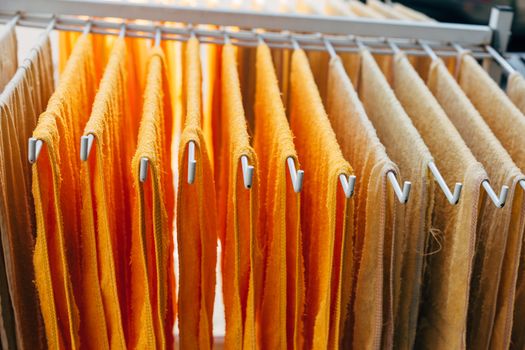
The traditional indigo dyeing process is notoriously resource-intensive and polluting. Up to 70,000 tons of synthetic indigo are produced each year, with significant chemical runoff impacting waterways and communities. But new dyeing and finishing technologies are setting a cleaner course for the future.
One major breakthrough is foam dyeing, which uses air rather than water to apply indigo to denim yarns. This process reduces water usage by up to 90% and cuts energy consumption in half. Companies like Wrangler and Lee are already piloting foam-dyed jeans, showing that sustainable production is possible at scale.
Biological dyes are another exciting development. Companies such as Colorifix and Stony Creek Colors are harnessing microorganisms to produce natural indigo and other pigments, eliminating the need for toxic chemicals. Their processes are not only renewable but also biodegradable, offering a radical alternative to synthetic dyes.
Finishing technologies are also evolving. Laser finishing, for example, replaces sandblasting and chemical washes with precise, computer-controlled lasers to create faded patterns and whiskers on denim. This technique eliminates hazardous substances, protects workers, and delivers highly customizable results—sometimes in under 90 seconds per garment.
These cleaner, smarter processes are gaining traction because they align with both regulatory pressures and consumer demand: a 2021 McKinsey survey found that 67% of consumers now consider sustainable materials and processes when purchasing apparel.
Personalization and On-Demand Manufacturing: Jeans Tailored for You
Mass customization is set to be one of the defining trends in the denim industry. Rather than relying on standard sizes and generic washes, new technologies allow consumers to co-create their perfect pair of jeans—down to the last detail.
Body scanning kiosks and mobile apps use 3D imaging to capture precise body measurements, enabling brands to offer made-to-measure jeans with unsurpassed fit. Companies like Unspun and RedThread have already introduced direct-to-consumer platforms where customers can design and order personalized jeans, while AI-powered recommendation engines suggest styles and features based on individual preferences and lifestyles.
On-demand manufacturing is another game-changer. Automated cutting, sewing, and finishing systems can produce a pair of custom jeans in just a few hours, eliminating overproduction and excess inventory. This shift not only reduces waste and storage costs but also empowers smaller, local manufacturers to compete with global giants.
The benefits are clear: better fit, fewer returns (currently, online apparel return rates average 30-40%), and a vastly reduced environmental impact. As these technologies mature and become more accessible, personalized denim could become the new norm rather than a luxury.
The Social Impact: Ethical Denim for a Connected World
Technology is not just changing how denim is made—it’s transforming the social and ethical dimensions of the industry. Blockchain and digital product passports are being used to increase transparency and traceability, allowing consumers to track the journey of their jeans from cotton field to checkout.
This shift is crucial in an industry where labor abuses and opaque supply chains have been widespread. By scanning a QR code on a denim label, customers can access information about the farmers, factories, and materials involved in their jeans’ production. This level of transparency builds trust and enables consumers to make more informed, ethical purchasing decisions.
Furthermore, digital platforms are empowering grassroots movements and small-scale artisans. Through crowdfunding, social media, and online marketplaces, niche denim brands with a focus on fair labor and local craftsmanship are finding global audiences like never before.
According to the Textile Exchange, more than 9 million metric tons of preferred fibers (organic cotton, recycled materials, etc.) were used in 2021—a 17% increase from the previous year. As connected consumers continue to demand better practices, technology will remain at the heart of denim’s ethical transformation.
Looking Ahead: The New Era of Denim Textiles
The future of denim textiles is being shaped by a dynamic blend of technology, sustainability, and consumer empowerment. Smart fabrics will turn jeans into wearable devices, advanced weaving and dyeing methods will redefine comfort and environmental impact, and on-demand, personalized production will make the one-size-fits-all model obsolete. As ethical and transparent practices become standard, denim’s next chapter will be defined by both innovation and responsibility.
The transformation is already underway. Whether it’s a pair of jeans that tracks your health, a foam-dyed jacket that saves thousands of gallons of water, or custom-fit denim delivered to your door, the way we wear jeans is set to change more in the next decade than it has in the past century. The result? A future where denim is smarter, greener, and more personal than ever before.