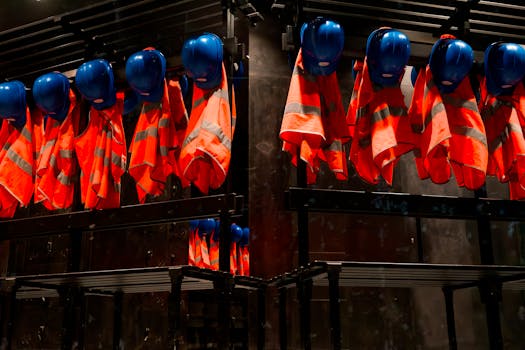
The world of workwear is undergoing a technological revolution. No longer just about rugged fabrics and durability, today's functional textiles for workwear are smart, adaptive, and highly specialized. Technology is not only changing what these textiles can do, but also how they are designed, manufactured, and even maintained. From nanotechnology-enhanced fibers to wearable sensors woven right into the fabric, the synergy of science and textiles is redefining protection, comfort, and performance for workers in every field.
Let’s delve into how technology is shaping the future of functional textiles for workwear, exploring the latest innovations, the challenges they address, and the measurable impact on industries and workers worldwide.
The Evolution of Functional Textiles: From Basics to High-Tech Solutions
Traditionally, workwear focused on providing basic protection—think thick cotton overalls, leather gloves, or heavy-duty boots. While effective to a point, these materials often struggled to balance durability with comfort, let alone provide advanced features like fire resistance or climate control.
.png)
The emergence of functional textiles marks a significant leap forward. Functional textiles are engineered to deliver specific, enhanced properties beyond the traditional roles of clothing. By leveraging technology, manufacturers can now create workwear that is not only tough and comfortable but also adaptive and responsive to diverse working conditions.
For example, the global functional textile market reached $207.5 billion in 2022, with the workwear segment accounting for a significant share. The demand for high-performance textiles is driven by industries with stringent safety and performance requirements such as construction, healthcare, oil and gas, and emergency services.
Smart Fibers and Nanotechnology: The Backbone of Modern Workwear
The integration of smart fibers and nanotechnology is one of the most groundbreaking advances in workwear textiles. Nanotechnology allows for the manipulation of fibers at the molecular level, resulting in fabrics that offer unique properties such as water repellency, antimicrobial action, and even self-cleaning abilities.
For instance, nanocoatings can make workwear resistant to stains, oil, and chemicals, drastically extending the garment’s life and reducing the need for frequent washing. In hazardous environments, nanotechnology can be used to weave in flame-retardant or anti-static properties without compromising the fabric’s softness or breathability.
Smart fibers, on the other hand, can be embedded with sensors that monitor temperature, heart rate, or exposure to toxic gases. This is especially crucial for first responders, miners, or chemical plant workers, where real-time data can mean the difference between safety and disaster.
A compelling example is DuPont’s Nomex® fiber, which is engineered to withstand temperatures above 370°C and is widely used in firefighting and electrical workwear. In 2021, over 3 million firefighters worldwide relied on garments incorporating advanced fibers for protection.
Advanced Manufacturing: 3D Knitting, Digital Printing, and Automation
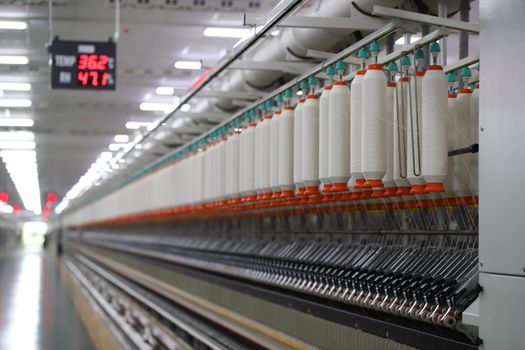
Modern workwear production is no longer limited to traditional weaving and sewing. Advanced manufacturing technologies are making it possible to create highly complex, functional textiles with unparalleled efficiency and precision.
3D knitting, for instance, allows for seamless garments that fit perfectly and can incorporate multiple functional zones—such as reinforced knees or ventilated backs—directly into the structure of the fabric. This reduces waste and enhances comfort.
Digital printing technology enables the precise application of functional finishes and custom designs. Whether it's a reflective surface for high-visibility clothing or a conductive pathway for wearable electronics, digital printing ensures consistent quality at scale.
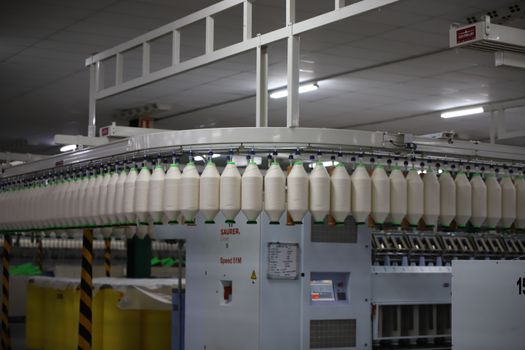
Automation is also reducing manufacturing costs and lead times. According to a 2023 report by McKinsey, factories that invest in automation can decrease production time by up to 40% and reduce fabric waste by 25%, making functional workwear more affordable and accessible.
Performance Comparison: Traditional vs. Technology-Enhanced Workwear
To highlight the impact of technological advancements, let’s compare traditional workwear with modern, technology-enhanced functional textiles across key attributes.
| Attribute | Traditional Workwear | Tech-Enhanced Functional Textiles |
|---|---|---|
| Durability | Moderate (prone to wear/tear) | High (reinforced fibers, coatings) |
| Comfort | Often heavy, low breathability | Lightweight, moisture-wicking, ergonomic |
| Protection | Basic (abrasion, some heat/cold) | Advanced (fire, chemicals, biological hazards) |
| Maintenance | Frequent washing, early replacement | Stain-resistant, antimicrobial, longer lifespan |
| Additional Features | Limited | Sensors, climate control, connectivity |
This comparison clearly demonstrates how technology is raising the bar for functional workwear, making it safer, more comfortable, and more cost-effective in the long run.
Sustainability and Environmental Impact: Greener Tech for Workwear
Sustainability is a growing concern across all industries, and functional textiles for workwear are no exception. Technology is enabling greener solutions at every stage of the textile lifecycle.
One major innovation is the use of recycled and bio-based fibers. For example, companies like Sympatex and Tencel offer high-performance workwear fabrics made from recycled polyester or sustainably sourced wood pulp, reducing reliance on fossil fuels and lowering carbon emissions by up to 50% compared to virgin materials.
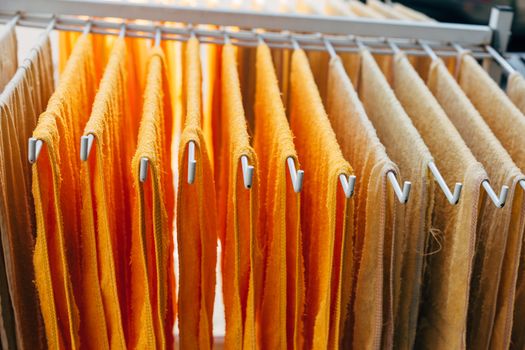
Waterless dyeing and finishing processes, such as CO2 dyeing technology, are becoming more popular. These methods can reduce water usage by up to 90% and eliminate toxic chemical runoff—a significant improvement over conventional dyeing methods that consume up to 200 tons of water per ton of fabric.
Moreover, smart textiles can be engineered for longevity, reducing the need for frequent replacement and helping to cut down on textile waste. In the European Union alone, an estimated 16 million tons of textile waste are generated annually, much of it from discarded workwear—prolonging garment life can have a profound environmental impact.
Future Trends: What’s Next for Functional Workwear Textiles?
The future of functional workwear is being shaped by ongoing advancements in material science, data integration, and user-centric design. Here are some trends to watch:
1. $1: Workwear will increasingly feature built-in connectivity, allowing garments to communicate with safety systems, track worker locations, and provide instant hazard alerts. By 2027, the global market for smart workwear is projected to exceed $4.8 billion. 2. $1: AI-driven customization will allow workwear to adapt to individual user needs. For example, climate-responsive fabrics can cool or insulate workers based on their body temperature and environment. 3. $1: Some prototypes are experimenting with AR displays for hands-free communication, or haptic feedback to guide workers through complex tasks. 4. $1: Advances in recycling and material recovery are making it feasible to design workwear for easy disassembly and reuse, closing the loop and dramatically reducing environmental impact.As these technologies mature, they promise to make workwear not just a protective layer, but an intelligent partner in workplace safety and efficiency.
The Lasting Impact of Technology on Functional Textiles for Workwear
The integration of technology into functional textiles for workwear is transforming industries and redefining what it means to be safe, comfortable, and productive on the job. By combining advanced fibers, smart sensors, innovative manufacturing, and sustainable practices, technology is enabling garments that are more adaptive, protective, and environmentally friendly than ever before.
With the global market for functional and smart workwear projected to grow rapidly over the next decade, workers and employers alike stand to benefit from these advancements. The future of workwear is not just about what you wear—but how your clothing works for you.