Fabric manufacturing is an essential component of the fashion industry, acting as its fundamental building block. This process not only determines the types, availability, and diversity of textiles but also significantly influences fashion trends, sustainability, and the economic dynamics of the industry.
Selection of Fibers
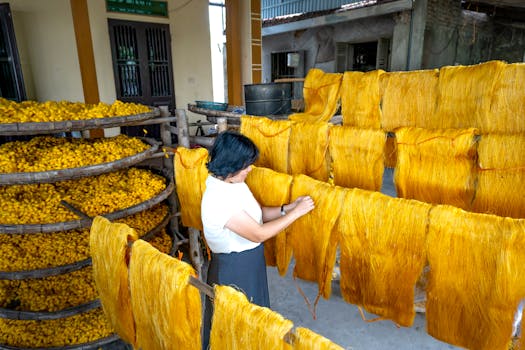
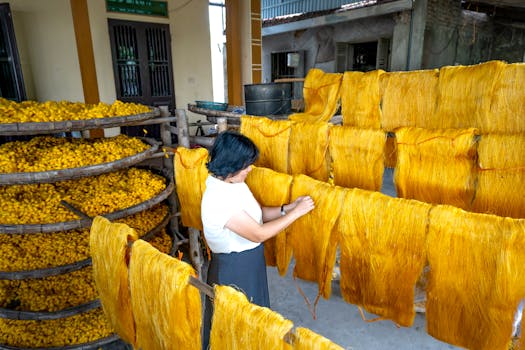
The process of fabric manufacturing begins with the crucial choice of fibers, which can be categorized into natural, synthetic, or a blend of both. Natural fibers like cotton, wool, silk, and linen come from plants and animals. In contrast, synthetic fibers such as polyester and nylon are produced through chemical processes. The selection of fiber is vital as it impacts the fabric's texture, durability, and care requirements.
.png)
Spinning Yarns
After selecting the appropriate fibers, they are spun into yarns using various techniques like ring spinning, open-end spinning, or air-jet spinning. These methods influence the characteristics of the yarn; for instance, ring-spun yarns are generally smoother and more robust, which are preferable for manufacturing high-quality fabrics.
Weaving and Knitting
Subsequent to yarn spinning, the next step is weaving or knitting, which transforms yarns into fabrics. Weaving involves interlacing yarns at right angles, while knitting consists of forming interlocking loops. The choice between weaving and knitting affects the fabric's properties; woven fabrics are typically more structured and less stretchy, whereas knitted fabrics offer more flexibility and comfort.
Finishing Processes
Once the fabric has been woven or knitted, it undergoes various finishing processes that enhance its appearance, texture, and functionality. Processes such as pre-shrinking, dyeing, printing, and application of water-resistant or wrinkle-free finishes add significant value, making the fabric more appealing and suitable for specific fashion applications.
Innovation and Trendsetting
Fabric manufacturing is not just about creating materials but also about setting trends and innovating. Designers frequently collaborate with fabric manufacturers to craft new textures and patterns that distinguish their collections. Innovations in fabric technology, such as eco-friendly materials or smart textiles that adjust color or texture, continually advance fashion design boundaries.
Sustainability
With the fashion industry being a major global polluter, sustainable practices in fabric manufacturing have become increasingly vital. Efforts to use organic materials, recycle synthetic fibers, and minimize resource consumption during production are growing. These sustainable practices are crucial in reducing environmental impact and aligning with consumer expectations for environmentally responsible products.
Economic Impact
Economically, fabric manufacturing is a significant global industry, employing millions and forming a critical part of the fashion industry's supply chain. The cost of fabric plays a substantial role in determining the final pricing of fashion items, influencing market accessibility and affordability.
Conclusion
In summary, fabric manufacturing is a complex and integral component of the fashion industry. It affects various aspects, from clothing design and production to trend innovation and sustainability efforts. As the industry evolves with advancements in technology and a growing demand for sustainability, the role of fabric manufacturing continues to be pivotal in shaping the future of fashion.