Denim is more than just a fabric—it’s a canvas for countless details that shape the personality and style of every garment. From subtle stitching to bold hardware, these features define everything from classic jeans to modern jackets. But what exactly are the most common denim details, and how can you wear them to showcase your personal style? In this comprehensive guide, we’ll explore the essential elements that make denim so distinctive, explain their origins and functions, and offer practical advice on how to make these details work for you.
The Building Blocks: Key Denim Details Explained
Denim’s enduring appeal lies in its versatility and the myriad ways designers can tweak its appearance. The following are the most common details found on denim garments, each contributing to function, fashion, or both:
- $1: Topstitching, double-stitching, and decorative embroidery aren’t just for looks. Classic gold or orange thread is a hallmark of heritage brands, offering both reinforcement and signature style. - $1: Introduced in 1873 by Levi Strauss & Jacob Davis, rivets reinforce stress points like pockets, making jeans more durable. Today, they’re also a symbol of authentic denim. - $1: The five-pocket style—two in the back, two in the front, and a small coin pocket—is the gold standard for jeans. Pocket shapes and placements subtly alter the fit and look. - $1: The width of the waistband and the number of belt loops can affect both comfort and how a belt sits. Seven belt loops (rather than five) are common on premium denim for better fit. - $1: Buttons, zippers, and snaps are more than closures—they’re often branded and come in various finishes, from matte black to polished copper. - $1: This self-finished edge, visible when cuffs are rolled, is a sign of high-quality, tightly woven denim usually made on traditional shuttle looms.According to a 2021 survey by Statista, nearly 73% of denim buyers said visible stitching and hardware influenced their purchase decisions, underscoring the importance of these details in both style and perception of quality.
.png)
Stitching Styles: Classic, Contrast, and Embroidery
Stitching isn’t just functional—it’s a visual signature. Most jeans feature topstitching in an orange or gold thread, a nod to early denim workwear that needed strong, visible seams. However, contemporary denim brands experiment with contrast stitching, tone-on-tone colors, and even intricate embroidery.
- $1: Orange or gold thread, often double-stitched for durability. Looks great with casual outfits and highlights traditional craftsmanship. - $1: White or bright-colored thread on indigo denim creates a modern, fashion-forward look. Ideal for those wanting to make a statement. - $1: Decorative stitching, often on pockets or along the seams. In 2023, embroidered denim saw a 14% increase in retail sales, reflecting its popularity.How to wear it: Classic topstitching is universally flattering and works with any outfit. For contrast stitching or embroidery, keep the rest of your look simple to let the details shine. Embroidered denim pairs well with minimalist tops and shoes.
Hardware and Rivets: Function Meets Fashion
The metal rivet—originally invented to prevent pocket tears—has become an iconic denim detail. Alongside branded buttons and zippers, hardware is both practical and a mark of authenticity. Here’s how various elements compare:
| Detail | Function | Fashion Impact | Common Placement |
|---|---|---|---|
| Rivets | Reinforce stress points | Classic, vintage vibe | Pockets, particularly front corners |
| Buttons | Waist & fly closure | Distinct branding | Waistband, fly |
| Zippers | Fast, secure closure | Streamlined, modern | Fly, jackets |
| Snaps | Easy-open closures | Western, utility look | Jackets, shirts |
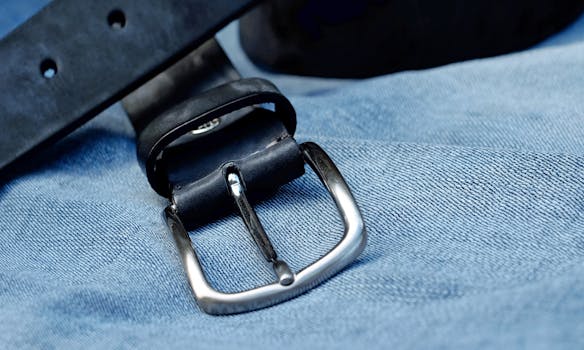
How to wear it: Jeans or jackets with shiny, bold hardware work well for street-style outfits. For a more subdued look, opt for matte or antique-finish hardware. Don’t forget: matching your accessories—such as a belt buckle or jewelry—with the hardware finish can create a polished, cohesive appearance.
Pocket Designs: Five-Pocket, Patch, and Statement Styles
The iconic five-pocket layout is nearly synonymous with jeans, but denim designers continue to innovate with pocket shapes, placements, and embellishments.
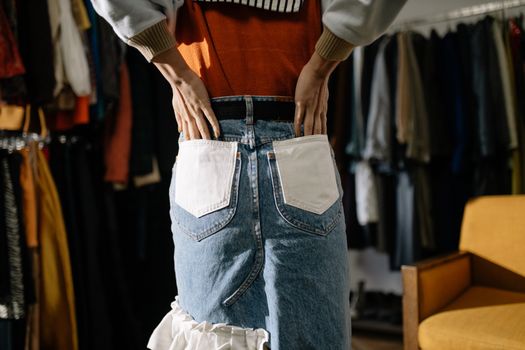
- $1: This includes two back pockets, two front pockets, and a tiny coin pocket. It’s timeless and works for all body types. - $1: Often seen on denim jackets and some wide-leg jeans, patch pockets have visible stitching and a utilitarian feel. - $1: Features like embroidery, studs, or even contrasting materials draw the eye and add personality.Pocket placement can subtly affect your silhouette. Pockets placed higher on the seat create the illusion of a lifted backside, while larger or lower pockets can elongate or shorten the appearance of the legs.
How to wear it: Choose classic five-pocket jeans for everyday versatility or opt for statement pockets when you want to stand out. Pair embellished-pocket jeans with simple tops to avoid a cluttered look.
Waistbands, Belt Loops, and Fly Types: Small Changes, Big Impact
While often overlooked, the waistband, belt loops, and type of fly (zip or button) dramatically affect comfort and style:
- $1: A contoured waistband curves slightly for a better fit, especially on women’s denim. Standard waistbands are straight and can sometimes cause gaping. - $1: Most jeans have five, but premium and workwear-inspired brands often include seven for a snugger, more secure fit. The number and placement of belt loops can also distinguish between fashion and utility denim. - $1: Button fly closures are associated with vintage or heritage denim, while zippers are modern and convenient. According to a 2022 consumer report, 62% of men preferred zipper flies for speed, while 55% of women preferred button flies for their retro appeal.How to wear it: If you love tucking in shirts or wearing belts, look for jeans with seven belt loops and a contoured waistband. For a vintage vibe, choose button-fly jeans; for a more streamlined look, opt for a zipper fly.
Selvedge and Raw Denim: The Connoisseur’s Choice
Selvedge denim is the benchmark for denim enthusiasts. The term refers to the self-finished edges produced by shuttle looms, resulting in a tightly woven, durable fabric. You’ll recognize selvedge denim by the colored stripe visible on the outseam when the cuffs are rolled.
Raw denim, meanwhile, refers to denim that hasn’t been pre-washed or distressed. It’s stiff at first but softens and molds to the wearer’s body over time, developing unique fades and whiskers.
- $1: Usually more expensive due to the slow, traditional manufacturing process. According to the International Textile Manufacturers Federation, selvedge denim accounts for less than 1% of total denim production globally. - $1: Offers a personalized fit and appearance but requires a break-in period. It’s popular among enthusiasts who want jeans that tell their own story.How to wear it: Cuff selvedge jeans to showcase the signature edge, and style with minimalist sneakers or boots. For raw denim, pair with structured jackets or crisp shirts to balance the ruggedness. Be prepared for a “breaking in” process—avoid washing for the first few months to develop distinct fades.
How to Choose and Style Denim Details for Your Personal Look
The beauty of denim is that the right details can help you express your style, flatter your physique, or channel a particular era. Here are some quick tips:
- For a $1, stick with gold topstitching, five-pocket jeans, and minimal hardware. - For a $1, seek out contrast stitching, unique pocket placements, and shiny hardware. - To $1, choose jeans with contoured waistbands, higher back pockets, and seven belt loops. - If you want to $1, opt for embroidered or embellished denim and don’t shy away from bold rivets or buttons.Remember: details like stitching, hardware, and pocket placement are more than decorative—they affect fit, comfort, and the overall vibe of your denim. Mixing and matching these features lets you build a denim wardrobe that’s as unique as you are.
Denim Details: Elevate Your Style with Informed Choices
Denim’s most common details—stitching, hardware, pockets, waistbands, and selvedge edges—aren’t just functional. They’re the hallmarks of quality, authenticity, and personal style. By understanding what each detail means and how it works, you can choose pieces that suit your lifestyle and preferences. Whether you prefer the classic five-pocket, gold-stitched look or enjoy experimenting with embroidered and selvedge jeans, the right details will always help you stand out. Next time you shop for denim, take a closer look at these subtle differences—they might just change the way you wear your favorite pair of jeans forever.