The Latest Innovations in Textile Technology: What Does the Future Hold?
The textile industry, one of humanity’s oldest crafts, is undergoing a remarkable transformation. Driven by rapid technological advancements, changing consumer demands, and the urgent need for sustainability, textile technology is evolving at a breathtaking pace. From smart fabrics embedded with sensors to revolutionary methods of recycling old textiles into new, the innovations of today are setting the stage for a radically different future. In this article, we delve into the most exciting breakthroughs in textile technology, explore how they’re reshaping industries and lives, and peer into what the future might hold for everything from clothing to industrial fabrics.
Smart Textiles: Where Fashion Meets Functionality
Smart textiles, also known as “e-textiles” or “wearable technology,” are fabrics that incorporate digital components and electronics. These innovations are moving textiles far beyond their traditional roles of covering and protecting our bodies.
One of the most significant developments is the integration of sensors and conductive fibers into fabrics. According to a 2023 report by MarketsandMarkets, the smart textiles market is projected to reach $9.3 billion by 2026, up from $2.3 billion in 2020—a compound annual growth rate (CAGR) of nearly 25%.
.png)
Examples of smart textiles include:
- Athletic wear that monitors heart rate, temperature, and muscle activity in real time. - Hospital gowns that continuously track patients’ vital signs and wirelessly transmit data to healthcare providers. - Clothing with built-in heating elements for cold climates, automatically adjusting warmth. - Military uniforms embedded with sensors to monitor soldiers’ health and detect hazardous substances.The impact of smart textiles extends beyond wearables. In architecture and automotive industries, smart fabrics are being used for adaptive shading, soundproofing, and even energy generation through embedded photovoltaic fibers.
Sustainable Fibers and Eco-Friendly Production
As concern grows over the environmental impact of fast fashion and textile waste, sustainability has become a central focus of textile innovation. The industry is responsible for around 10% of global carbon emissions and nearly 20% of wastewater, according to the United Nations Environment Programme.
Recent breakthroughs are addressing these challenges head-on:
- Bio-based fibers: Companies are developing textiles from renewable sources such as bamboo, hemp, and even agricultural waste. For example, Tencel, made from wood pulp, requires 50% less water than traditional cotton. - Recycled fibers: Technologies now allow old garments to be broken down and spun into new threads. In 2022, H&M launched a collection using 100% recycled polyester. - Waterless dyeing: New dyeing techniques, like CO2 dyeing and digital printing, dramatically reduce water use and pollution. DyeCoo, a Dutch company, uses supercritical CO2 instead of water, eliminating water waste entirely.The adoption of these technologies is accelerating. By 2030, it’s estimated that 20% of all fibers used in the textile industry will be recycled or bio-based, according to Textile Exchange.
Advanced Manufacturing: Automation and Digitalization
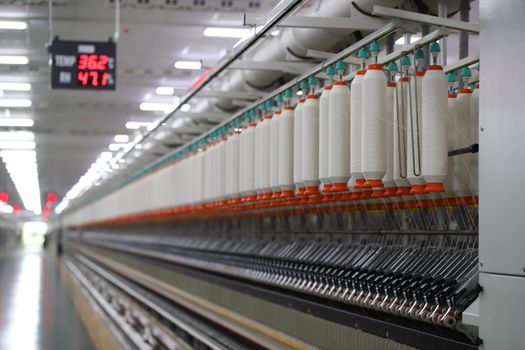
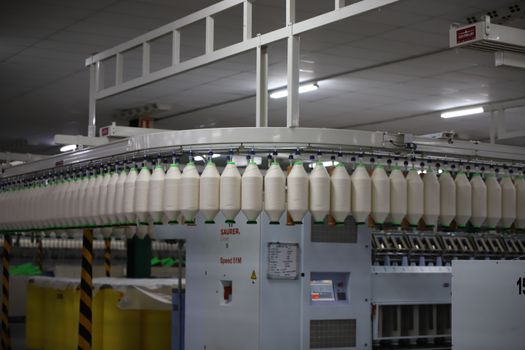
The ways textiles are designed and manufactured are also being revolutionized. Automation and digitalization are increasing efficiency, reducing waste, and enabling unprecedented customization.
Key developments include:
- 3D knitting and 3D weaving: These processes allow for seamless garment creation, minimizing fabric waste. Brands like Nike and Adidas are using 3D knitting to produce shoes and apparel with fewer seams and less labor. - Digital fabric printing: This technology enables intricate designs to be printed directly onto fabric, reducing dye and water usage by up to 90% compared to traditional methods. - Robotics and AI: Automated cutting, sewing, and quality control reduce labor costs and defects. AI algorithms analyze consumer trends and optimize inventory, reducing overproduction.These innovations make “on-demand” manufacturing possible, allowing brands to create garments only when ordered, dramatically cutting down on unsold stock and waste.
High-Performance and Technical Textiles
Beyond fashion, textiles are finding new uses in fields such as healthcare, construction, and aerospace. High-performance textiles are engineered to deliver specific functions, such as enhanced strength, fire resistance, or antibacterial properties.
Examples include:
- Medical textiles: Fabrics infused with silver or copper ions that kill bacteria on contact, used in wound dressings and hospital linens. - Geotextiles: Permeable fabrics used in construction to stabilize soil, prevent erosion, and manage drainage. - Composite textiles: Carbon fiber and Kevlar are used in aircraft, sports equipment, and bulletproof vests for their exceptional strength-to-weight ratios.The global technical textiles market was valued at $176.9 billion in 2022 and is expected to grow to $244.7 billion by 2028, reflecting the expanding demand for specialized fabrics.
Textile Recycling and Circular Economy Initiatives
The future of textile technology is inextricably linked to the circular economy—the idea that products should be reused, repaired, and recycled, not discarded. Traditional textile recycling has faced significant challenges: mixed fibers are hard to separate, and recycling processes often degrade fiber quality.
Recent innovations are changing this picture:
- Chemical recycling: Technologies like those developed by Worn Again and Infinited Fiber can separate and purify fibers from blended fabrics, producing new, high-quality fibers. - Fiber-to-fiber recycling: Companies such as Renewcell are turning post-consumer waste into new viscose fibers, closing the loop. - Blockchain for traceability: To ensure materials are recycled and ethically sourced, blockchain is being used to track textile products throughout their lifecycle.The European Union’s Green Deal aims to make all textile products placed on the EU market recyclable or reusable by 2030, pushing innovation further.
Comparing Textile Innovations: Traditional vs. Cutting-Edge Technologies
To illustrate how far the industry has come, here’s a comparison of traditional textile methods versus some of the latest innovations:
| Aspect | Traditional Methods | Latest Innovations |
|---|---|---|
| Material Source | Cotton, wool, synthetic polymers | Bio-based fibers, recycled fibers, lab-grown materials |
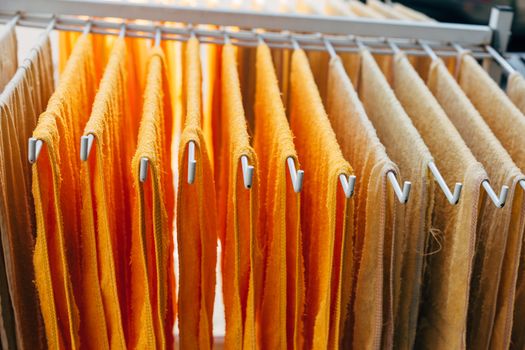
| Dyeing Process | Water-intensive, chemical dyes | Waterless CO2 dyeing, natural dyes, digital printing |
| Manufacturing | Manual cutting and sewing | 3D knitting/weaving, robotics, AI-driven automation |
| End-of-Life Management | Landfill, incineration | Chemical recycling, fiber-to-fiber recycling, circular design |
| Smart Features | None | Embedded sensors, adaptive fabrics, energy harvesting |
This table highlights how innovations are not only making textiles more sustainable and high-performing but are also opening up entirely new possibilities for function and design.
What the Future Holds for Textile Technology
Looking ahead, the pace of innovation in textile technology shows no sign of slowing. The fusion of biology, materials science, and digital technology is expected to yield even more dramatic breakthroughs.
Some trends to watch include:
- Lab-grown textiles: Companies like Bolt Threads are developing lab-grown silk and leather using engineered yeast and fungi, offering animal-free alternatives with similar properties. - Energy-harvesting fabrics: Research is underway on fabrics that generate electricity from movement or sunlight, potentially powering devices or even charging phones as you walk. - Personalized textiles: Advances in AI and digital manufacturing will allow for custom-fit garments, on-demand production, and even color- or pattern-changing fabrics. - Biodegradable materials: Scientists are working on textiles that break down naturally at the end of their life, reducing landfill waste to near zero.With global textile production expected to exceed 130 million tons annually by 2025, according to the International Textile Manufacturers Federation, the stakes for innovation—and for sustainability—have never been higher.
Final Thoughts on the Future of Textile Technology
The textile industry is at a crossroads, shaped by urgent environmental challenges, rapidly advancing technology, and evolving consumer expectations. The latest innovations, from smart fabrics to sustainable fibers and beyond, are not just transforming what we wear—they’re redefining what textiles can do and how they impact our world. As research accelerates and adoption grows, the fabrics of the future promise to be smarter, greener, and more versatile than ever before. For consumers, manufacturers, and innovators alike, the possibilities are as exciting as they are essential.