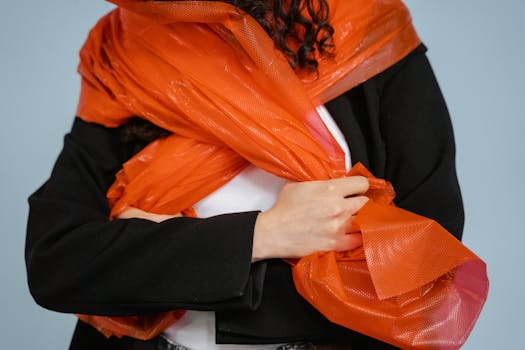
The innovations in fabric design are revolutionizing the way we think about and interact with textiles. From enhancing the functionality and sustainability of fabrics to personalizing consumer experiences, these advancements are setting new standards in the textile industry. As we move forward, it will be fascinating to see how these innovations continue to evolve and shape our world.
The Integration of Smart Technology
Smart fabrics represent one of the most transformative areas in textile innovation. These materials adapt to environmental changes or user interactions, offering unique functionalities such as thermal regulation and moisture control. For instance, garments incorporating phase change materials (PCMs) can maintain comfortable body temperatures in various climates by absorbing, storing, and releasing heat as needed.
.png)
Advancements in Nanotechnology
Nanotechnology is another frontier in fabric design, enabling the development of textiles with enhanced properties such as water resistance, stain resistance, and antibacterial qualities. These features are especially beneficial in sectors like healthcare, where maintaining high standards of hygiene is crucial. Nanotech fabrics provide new layers of functionality and comfort without compromising on safety or quality.
Focus on Sustainability
Sustainability remains a central theme in textile innovation, addressing the industry's significant environmental impacts. Designers are increasingly turning to eco-friendly materials like organic cotton, bamboo, and hemp, which require fewer resources and chemicals to produce than traditional fabrics. Additionally, modern techniques such as digital printing are prominent for their ability to minimize waste in the production process, contributing further to environmental conservation.
Recycling and the Circular Economy
The recycling of materials has become a key strategy in sustainable fabric design. Textiles made from recycled plastics, such as polyester derived from plastic bottles, are now commonplace in various fashion segments, from casual clothing to luxury brands. This approach not only helps in waste management but also promotes a circular economy, extending the lifecycle of materials and reducing the overall environmental footprint.
Biotechnological Innovations
In the realm of biotechnology, groundbreaking work is being done to create bio-fabrics through microbial processes. Innovations such as producing spider silk proteins from fermented yeast are paving the way for textiles that are both environmentally sustainable and superior in performance. These bio-fabrics offer exciting possibilities, including enhanced strength and flexibility, which are ideal for a wide range of applications.
Personalization and Consumer Involvement
The rise of technologies like 3D printing and computer-aided design (CAD) has led to increased personalization in fabric design. These tools allow consumers to engage directly in the design process, tailoring materials to their specific preferences and needs. This trend is particularly noticeable in the fashion industry, where demand for bespoke, personalized garments is growing.
The Future of Fabric Design
Looking ahead, the future of fabric design holds immense potential for further innovations and improvements. As global challenges such as climate change and resource depletion intensify, the role of advanced, sustainable, and smart textiles becomes even more crucial. The ongoing research and development in this field are likely to introduce new materials and technologies that will continue to transform our interaction with fabrics.
By embracing these innovative approaches, the textile industry can sustain its growth and continue to make a positive impact on both the environment and society. The evolution of fabric design not only enhances the consumer experience but also plays a vital role in addressing some of the pressing issues facing our world today.