Denim, once the humble workwear fabric of miners and railroad workers, has evolved into a global fashion staple. Its enduring popularity is matched only by the remarkable transformation it has undergone, largely thanks to advances in modern technology. Today, the denim industry is a showcase for state-of-the-art production techniques, smart fibers, sustainability initiatives, and high-performance materials. But how exactly do these modern technologies shape both the making of denim and the characteristics we love in our jeans? Let’s explore the fascinating interplay between innovation and this iconic fabric.
The Evolution of Denim Production: From Manual Labor to Automation
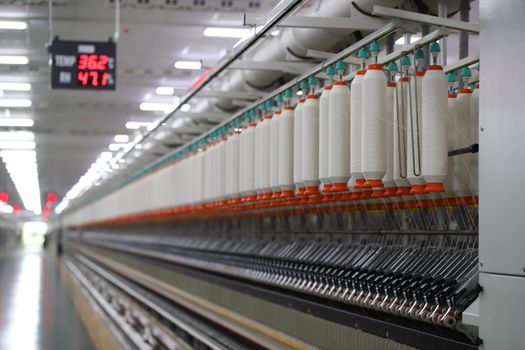
Traditionally, denim fabric was woven on shuttle looms, dyed with natural indigo, and finished using labor-intensive processes. This changed dramatically with the advent of modern textile machinery and automation.
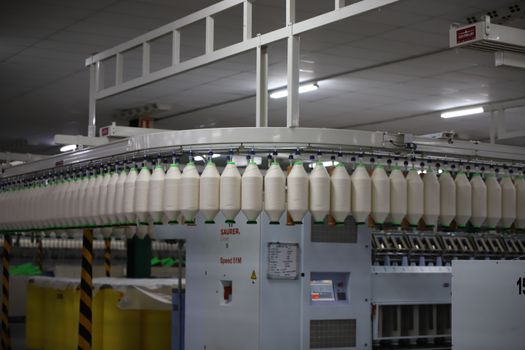
In the past, a single worker on a manual loom could produce only about 50 yards of denim per day. Today, state-of-the-art air-jet and rapier looms can weave up to 800 yards in the same timeframe, a 16-fold increase in productivity. Automated systems also ensure greater consistency in fabric weight, texture, and weaving patterns, reducing the variations that once affected denim quality.
.png)
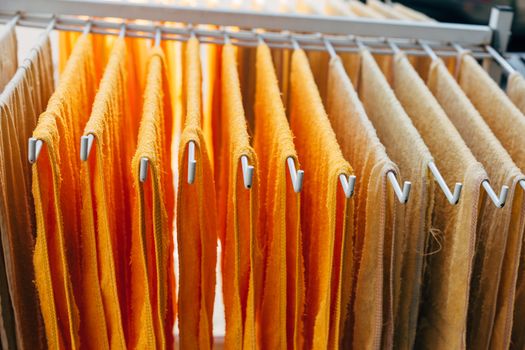
Technological advancements have further enhanced the dyeing process. Rope dyeing and sheet dyeing machines now allow for precise control of indigo application, leading to vibrant and uniform colors while minimizing dye waste. Modern factories use computer-aided manufacturing (CAM) systems to monitor production in real time, reducing human error and optimizing resource use.
The impact is clear: denim manufacturers can now produce vast quantities of fabric with remarkable efficiency, higher uniformity, and lower labor costs, making denim more accessible than ever before.
Smart Fibers and Blends: Shaping the Feel and Function of Denim
One of the most exciting shifts in denim manufacturing is the integration of advanced fibers and blends. Traditionally, denim was made from 100% cotton, admired for its durability and breathability but sometimes criticized for its stiffness and lack of stretch.
Modern technologies have introduced a new generation of denim blends. Elastane (spandex) and polyester are now commonly woven into denim, providing stretch, shape retention, and enhanced comfort. According to a 2023 report by Textile World, over 65% of jeans produced globally contain some form of stretch fiber, a trend that continues to grow.
Even more revolutionary are smart fibers, such as temperature-regulating PCM (Phase Change Material) microcapsules and moisture-wicking polyester blends. These innovations help denim adapt to different climates and activities, making jeans more versatile than ever.
Below is a comparison of traditional vs. modern denim compositions:
| Feature | Traditional 100% Cotton Denim | Modern Tech-Enhanced Denim |
|---|---|---|
| Stretchability | Low (minimal give) | High (up to 30% stretch) |
| Comfort | Stiff, requires break-in | Soft, flexible from first wear |
| Durability | Very high, but prone to shrinking | High, with better shape retention |
| Moisture Management | Poor | Good (with moisture-wicking fibers) |
| Thermal Regulation | Minimal | Enhanced (with PCM fibers) |
These technical enhancements have expanded denim’s appeal, making it a fabric of choice not just for casual wear, but also for performance apparel and even technical garments.
Sustainable Technologies: Reducing Denim’s Environmental Impact
The denim industry has historically been criticized for its heavy water and chemical use. For example, producing a single pair of jeans traditionally required up to 10,000 liters of water, largely due to cotton cultivation and finishing processes.
Modern technology is rewriting this narrative. Laser finishing systems, such as those developed by companies like Jeanologia, use focused beams of light to create patterns and fades on denim, eliminating the need for water-intensive stone washing and harmful chemicals. This process can reduce water usage by up to 85% and energy consumption by 62%, according to industry studies.
Ozone washing is another breakthrough. By using ozone gas to bleach and distress denim, manufacturers can achieve the same worn-in look using only a fraction of the water and without the need for toxic substances. Additionally, advanced water recycling units now allow factories to reuse up to 95% of their process water.
On the materials front, biotechnology is making waves. Companies are creating indigo dye using genetically engineered bacteria, cutting down on the use of petroleum-based synthetic dyes and reducing effluent pollution by up to 70%.
These innovations are helping denim shed its environmentally damaging reputation, making sustainable jeans more mainstream and affordable for consumers.
Digital Design and Customization: The Rise of Personalized Denim
Digital technology has also transformed how denim is designed and customized. Thanks to 3D design software and digital printing, brands can now visualize, prototype, and alter denim products entirely in the virtual realm before a single yard of fabric is woven.
This digital-first approach speeds up the product development cycle by as much as 40%, according to a 2022 study by the Fashion Innovation Agency. It allows designers to experiment with new fits, washes, and patterns with minimal waste, as multiple iterations can be made without physical sampling.
Consumers are also benefiting from these advances. Online platforms now offer digital fitting rooms, letting shoppers “try on” jeans virtually. Some brands allow customers to design their own denim, choosing everything from cut and color to pocket shape and distressing style. This level of personalization, made possible by advanced digital workflows and automated cutting and sewing machines, was unimaginable just a decade ago.
Not only does digital customization create a more engaging shopping experience, but it also helps reduce unsold inventory, a major source of waste in the fashion industry.
High-Performance and Smart Denim: Beyond Fashion
Modern technologies have expanded denim’s use far beyond fashion. Today, high-performance and “smart” denim fabrics are used in workwear, sportswear, and even wearable technology.
For instance, denim blended with aramid fibers (the same material used in bulletproof vests) is now employed in motorcycle jeans, providing both comfort and protection. Some high-tech denim fabrics offer UV protection ratings of UPF 40+, making them suitable for outdoor activities.
Perhaps most futuristic are developments in conductive denim, which incorporates silver or copper threads to enable touch-screen compatibility or even biometric monitoring. In 2017, Google and Levi’s launched the Jacquard project, resulting in a denim jacket with built-in controls for smartphones. This type of “smart” denim is still niche but signals a future where jeans could be both stylish and connected.
According to the market research firm Grand View Research, the global smart textiles market is projected to grow at a CAGR of 28.4% between 2023 and 2030, fueled in part by innovations in everyday fabrics like denim.
The Future of Denim: Innovation Meets Tradition
Modern technologies have done more than streamline the production of denim—they have fundamentally reshaped its properties, environmental footprint, and cultural relevance. Thanks to automation, smart fibers, sustainable processing, digital customization, and high-performance engineering, denim continues to evolve while staying true to its roots.
As we look forward, the interplay between tradition and innovation promises to keep denim at the forefront of the textile industry. Whether you’re slipping into a pair of stretch jeans, choosing a laser-finished sustainable jacket, or donning smart denim for your next adventure, it’s clear that the future of denim is being woven by technology.