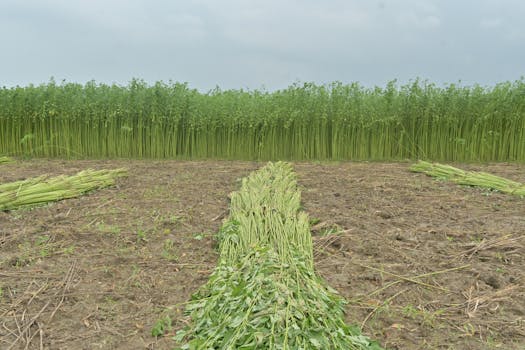
The global textile industry is a vast and multifaceted sector that significantly contributes to the international economy. Its influence spans from the production of raw materials to the final sale of finished garments, affecting various related sectors including agriculture, manufacturing, and retail.
Economic Impact and Market Dynamics
The textile industry is a major economic driver in many countries. It provides employment to millions of people worldwide, particularly in developing nations where it can be a crucial part of economic development strategies. The industry's economic impact is augmented by its extensive supply chains, which support a wide range of ancillary industries, from machinery manufacturers to chemical producers.
.png)
Global Supply Chain and Trade
The textile supply chain is notably globalized. Fibers harvested in one country might be spun into yarns in another, woven or knitted into fabric elsewhere, and finally cut and sewn into garments that are sold around the world. This international network, while economically efficient, is sensitive to geopolitical tensions, trade disputes, and disruptions such as those caused by the COVID-19 pandemic, which can lead to significant supply chain challenges.
Environmental Concerns and Sustainability Initiatives
Environmental sustainability is one of the most pressing issues facing the textile industry today. The sector is one of the largest consumers of water and contributes significantly to pollution through the discharge of untreated wastewater into rivers and streams. Additionally, the reliance on synthetic fibers like polyester has raised concerns about microplastic pollution and the use of non-renewable resources like oil.
In response, there is a growing movement towards more sustainable practices. This includes the adoption of organic farming practices for natural fibers, the development of waterless dye technologies, and increased recycling of textile waste. Companies are also exploring the use of alternative materials, such as fibers made from recycled plastics or agricultural waste, which can help reduce the industry's environmental footprint.
Technological Advancements
Technology is playing a transformative role in the textile industry. Digital printing, for instance, allows for more efficient and less wasteful dye application compared to traditional methods. Automation and robotics are making manufacturing processes faster and more precise, reducing labor costs and improving workplace safety. Additionally, the rise of smart textiles and wearables represents a convergence of technology and fashion, offering functionalities that were previously unimaginable.
Consumer Trends and Market Shifts
Consumer preferences are constantly evolving, influencing the direction of the textile industry. The fast fashion trend has driven a demand for quick turnaround and low prices, but it has also led to increased scrutiny regarding the sustainability and ethics of manufacturing practices. In contrast, there is a growing segment of consumers demanding high-quality, sustainable products, willing to pay a premium for goods that are environmentally friendly and ethically produced.
Conclusion
The textile industry is at a crossroads, facing challenges related to sustainability, ethical production, and technological integration. How it responds to these challenges will not only affect its future viability but also have broad implications for global economic health, environmental sustainability, and consumer culture. For stakeholders in this industry, staying informed and adaptable will be key to navigating this complex landscape.