The fashion industry is notorious for its significant environmental impact, accounting for an estimated 8-10% of global carbon emissions and producing over 92 million tons of textile waste annually. As concerns about climate change and resource depletion escalate, the industry faces mounting pressure to reinvent itself. At the heart of this transformation is textile production, where groundbreaking innovations are rapidly reshaping how clothing is made and consumed. But how exactly are these advances in textile production fueling greater sustainability—and what does this mean for the future of fashion?
The Environmental Toll of Traditional Textile Production
To understand the significance of recent innovations, it’s crucial to examine the status quo. Conventional textile manufacturing is resource-intensive, relying heavily on water, energy, and chemicals. According to the World Wildlife Fund, producing a single cotton T-shirt can require up to 2,700 liters of water—enough to meet the drinking needs of one person for two and a half years. Synthetic fibers like polyester, which comprise about 60% of global textile production, are derived from fossil fuels and shed microplastics into waterways with every wash.
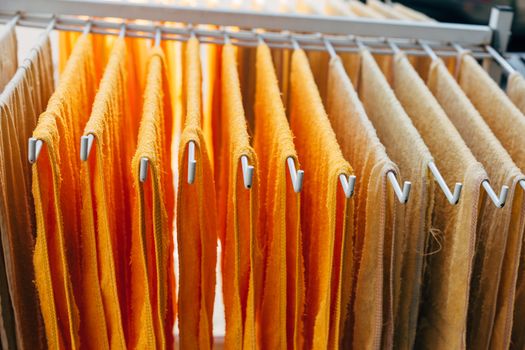
Dyeing and finishing processes are also problematic. The fashion industry is the world’s second-largest water polluter, with an estimated 20% of global industrial water pollution traced back to textile dyeing and treatment. Toxic chemicals used in these processes often end up in rivers and oceans, harming ecosystems and communities.
.png)
These facts underscore the urgent need for innovation—and explain why new approaches to textile production are being embraced as a linchpin for sustainability in fashion.
Bio-Based and Regenerated Fibers: Nature-Inspired Solutions
One of the most promising shifts in textile production is the rise of bio-based and regenerated fibers, which aim to minimize environmental harm by leveraging renewable resources and closed-loop systems.
Lyocell, for example, is a regenerated cellulose fiber derived from wood pulp, usually sourced from sustainably managed forests. Unlike traditional viscose production, lyocell uses a non-toxic solvent in a closed-loop process, recovering over 99% of chemicals and reducing water usage by as much as 50%. Major brands like Patagonia and Levi’s have incorporated lyocell into their product lines, drawn by its softness and reduced environmental footprint.
Another emerging material is Piñatex, made from the fibers of pineapple leaves—a byproduct of the agricultural industry. Piñatex uses no additional land, water, or pesticides, and provides farmers with an extra income stream. Mylo, a leather-like fabric grown from mycelium (the root structure of mushrooms), offers a biodegradable alternative to animal and synthetic leather. These innovative fibers are gaining traction as both sustainable and commercially viable options.
Waterless and Digital Textile Processing: Cutting Down on Pollution
Traditional dyeing and finishing methods are notorious for their heavy water and chemical use, but new technologies are tackling these problems head-on.
Waterless dyeing technologies, such as the DyeCoo process, use pressurized carbon dioxide to infuse color into polyester fibers—a completely water-free approach. According to DyeCoo, this method can save up to 32 million liters of water per year for a single factory and eliminates the need for chemical auxiliaries. Similarly, ColorZen’s cotton pre-treatment technology allows for up to 90% less water and 75% less energy in the dyeing process.
Digital printing is also emerging as a greener alternative to traditional textile printing. Digital printers apply dye directly onto fabric with pinpoint precision, reducing water waste and chemical runoff. Kornit Digital, a leading manufacturer, claims its systems use up to 95% less water and 60% less energy compared to conventional methods.
Recycling and Circularity: Closing the Loop
The concept of a circular economy—where materials are kept in use for as long as possible—has become central to sustainability in fashion. Textile recycling innovations are now enabling the industry to move closer to this ideal.
Mechanical recycling has long been used for cotton and wool, but it typically results in lower-quality fibers. However, recent advancements in chemical recycling allow for the breakdown of cotton, polyester, and blended textiles into their basic building blocks, which can be spun into new, high-quality fibers. Companies like Renewcell and Infinited Fiber Company are pioneering this space. Renewcell’s Circulose process, for instance, can recycle up to 60,000 tons of used cotton and viscose textiles annually into new fibers, reducing dependence on virgin resources.
Textile-to-textile recycling rates remain low—at less than 1% globally, according to the Ellen MacArthur Foundation—but these technologies hold immense potential to close the loop on textile waste and accelerate fashion’s transition to a circular model.
Smart Manufacturing: Efficiency Through Automation and Data
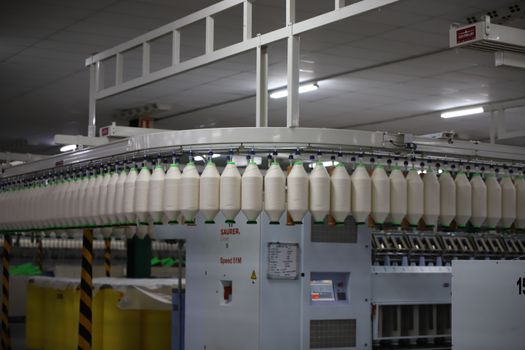
Innovations in textile production are not limited to materials and processes; digital technologies are revolutionizing manufacturing itself. Smart factories equipped with sensors, robotics, and artificial intelligence (AI) are making production more efficient and transparent.
For example, AI-driven systems can forecast demand more accurately, reducing overproduction—a major driver of waste in the fast fashion industry. Automation in cutting and sewing processes minimizes fabric waste by optimizing pattern layouts, while real-time monitoring of machinery helps companies identify inefficiencies and reduce energy consumption.
The benefits are clear: a 2023 study by McKinsey & Company found that digitalization in textile manufacturing can cut energy use by up to 20% and reduce production waste by up to 30%. These improvements not only lower environmental impact but also offer significant cost savings for manufacturers.
Comparing Traditional vs. Innovative Textile Production Methods
To illustrate the impact of these innovations, consider the following comparison of key sustainability metrics:
| Production Method | Water Use (per kg fabric) | Energy Use (per kg fabric) | CO2 Emissions (per kg fabric) | Chemical Use |
|---|---|---|---|---|
| Conventional Cotton | 10,000-20,000 liters | 20-25 kWh | 15-20 kg | High (pesticides, dyes) |
| Lyocell | 5,000-8,000 liters | 10-15 kWh | 7-10 kg | Low (closed-loop solvents) |
| Waterless Dyeing (DyeCoo) | 0 liters | 15-18 kWh | 10-12 kg | Very Low |
| Chemical Recycling (Renewcell) | 1,500-2,000 liters | 12-16 kWh | 5-8 kg | Minimal |
These numbers demonstrate the tangible benefits of moving toward innovative textile production methods, with dramatic reductions in resource consumption and pollution.
Challenges and Opportunities Ahead for Sustainable Fashion
While the progress in textile production is impressive, significant challenges remain. Scaling up new technologies requires substantial investment, infrastructure, and collaboration across supply chains. For example, while waterless dyeing and chemical recycling are proven at pilot scale, wider adoption is slowed by high upfront costs and the need for regulatory support.
Consumer demand is another pivotal factor. A 2023 survey by McKinsey found that 67% of consumers consider the use of sustainable materials when making fashion purchases, but only 37% are willing to pay a premium for them. Bridging this gap will require not just technical advances, but also education and transparency from brands.
On the opportunity side, regulatory pressures are mounting. The European Union’s proposed “Strategy for Sustainable and Circular Textiles” aims to make sustainable practices mandatory for fashion brands operating in the EU by 2030, signaling a major shift toward green innovation. Brands that invest early in sustainable textile production are likely to benefit from both reputational gains and compliance with emerging regulations.
Sustainable Textile Innovation: Paving the Way Forward
Innovations in textile production are fundamentally altering the sustainability equation in the fashion industry. From bio-based and regenerated fibers to waterless dyeing, advanced recycling, and smart manufacturing, these advances offer credible pathways to reduce resource use, pollution, and waste. Although challenges remain in terms of scale, cost, and consumer acceptance, the direction is clear: the future of fashion depends on continuous innovation and commitment to sustainability at every stage of textile production.
Ultimately, as brands and consumers demand cleaner, greener clothes, textile production is poised to play a pivotal role in shaping an industry that is not only stylish—but also responsible and resilient.