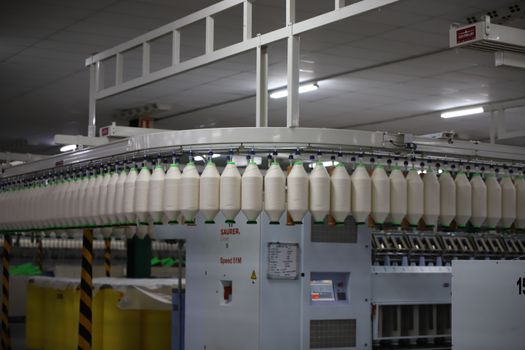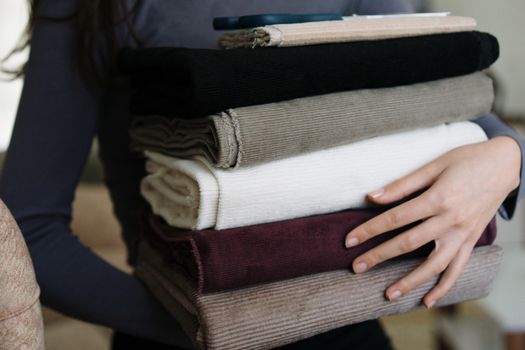
Denim has always been more than just a fabric; it’s a cultural icon, a symbol of rebellion, and a wardrobe staple for billions. Yet, behind the seams, denim is undergoing a quiet revolution. As consumer expectations evolve and environmental concerns mount, the denim industry is investing heavily in new technologies to transform everything from fiber to finish. Let’s take a deep dive into the most exciting innovations in denim technologies and explore what the future holds for this timeless textile.
The Evolution of Denim Manufacturing: From Tradition to Tech
Traditional denim production is resource-intensive, involving substantial water, chemicals, and energy. For example, a single pair of jeans historically required up to 10,000 liters of water from cotton cultivation to finishing. However, mounting pressure from environmental groups and changing consumer habits have sparked a wave of innovation.
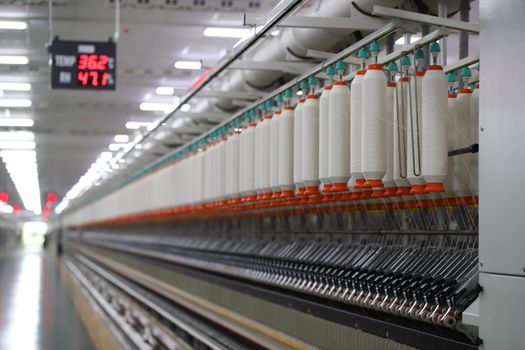
Today, advanced manufacturing methods are redefining how denim is made. Laser finishing, for instance, allows brands to create distressed or faded looks without harmful chemicals or manual labor. This not only saves time but also slashes energy and water usage by up to 85%. Similarly, ozone washing uses ozone gas rather than water and chemicals, reducing water use by as much as 50% and cutting chemical usage to near zero.
.png)
These technological leaps are reshaping the entire value chain, making it possible for denim manufacturers to meet the twin demands of style and sustainability.
Smart Denim: The Fusion of Fashion and Technology
Wearable technology isn’t just for smartwatches and fitness bands anymore. Denim brands are now embedding technology directly into their fabrics, pushing the boundaries of what your jeans can do.
One notable example is the collaboration between Google and Levi’s, resulting in the Jacquard by Google project. This technology weaves conductive threads into denim, enabling wearers to control their smartphone, access navigation, or manage music with simple gestures on their jacket sleeve. Launched commercially in 2017, this innovation marked a significant step toward truly interactive clothing.
Beyond connectivity, smart denim is also exploring health and wellness. Some brands are incorporating temperature-regulating fibers, antimicrobial treatments, and even UV-blocking technology. In 2023, a leading European denim brand partnered with a biotech company to produce jeans that neutralize odors and bacteria for up to 50 washes, offering freshness and longevity.
Sustainable Fibers and Eco-Friendly Dyes: A Greener Future for Denim
The environmental impact of denim has been a major concern, with cotton farming alone accounting for 2.5% of global arable land and 16% of all insecticides used worldwide. Responding to this, the industry is now embracing alternative fibers and cleaner dyeing processes.
Innovations include the use of recycled cotton, hemp, and even TENCEL™ (a fiber made from sustainably sourced wood pulp). In 2022, over 32% of new denim products featured at least some recycled or alternative fiber content, a sharp rise from just 8% in 2016.
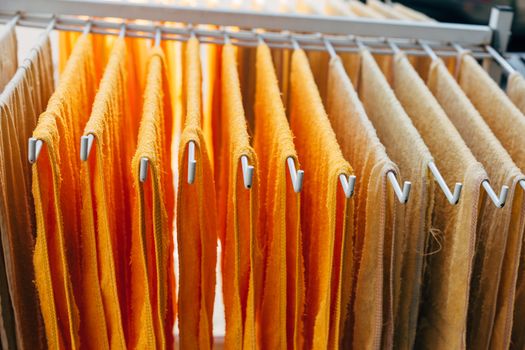
Dyeing, traditionally one of the dirtiest processes, is also undergoing transformation. Technologies like foam dyeing and supercritical CO2 dyeing drastically reduce water and chemical needs. For instance, the foam-dyeing process can cut water usage by up to 90% compared to conventional indigo dyeing.
To highlight the differences, here’s a comparison of traditional versus innovative denim manufacturing methods:
| Process | Traditional Method | Innovative/Advanced Method | Resource Savings |
|---|---|---|---|
| Water Usage (per pair) | Up to 10,000 liters | As low as 1,500 liters | Up to 85% less |
| Chemical Use | High (bleaches, dyes, fixers) | Low (ozone, foam, CO2) | Up to 90% less |
| Energy Consumption | High (heating, washing) | Reduced (laser, ozone) | Up to 60% less |
| Labor Intensity | Manual (hand scraping, sanding) | Automated (laser, robotics) | Faster, safer |
Customization and On-Demand Production: Denim for the Digital Age
One of the most significant shifts in recent years is the move towards customization and on-demand production. The days of mass-producing identical jeans for global markets are giving way to a more personalized approach.
Digital design platforms now allow consumers to customize the fit, color, wash, and even distressing of their jeans. For example, some brands offer 3D body scanning in-store or via mobile apps, ensuring a perfect fit for every customer. In 2021, it was estimated that 11% of premium denim sales involved some degree of customization, a figure expected to double by 2026.
On-demand production also reduces waste. Instead of creating large inventories that may never sell (over 30% of fashion inventory is never purchased), brands are moving to a model where jeans are made only once they're ordered. This reduces unsold stock, cuts down on resource use, and accelerates delivery times.
Recycling, Upcycling, and Circularity: Closing the Denim Loop
As the world faces mounting textile waste—over 92 million tons globally each year—circularity has become a top priority for denim brands. Circular denim initiatives aim to keep jeans in use for as long as possible, then recycle them at end-of-life.
Some companies now offer take-back programs, encouraging consumers to return old jeans for recycling or upcycling. Mechanical recycling shreds old denim into fibers to be spun into new yarns, while chemical recycling breaks down cotton into cellulose to create new fibers. In 2023, over 18% of new jeans launched in Europe contained recycled denim content, showing steady progress.
Innovative startups are also experimenting with biodegradable denim, designed to break down naturally at the end of its lifespan. These products often use undyed organic cotton and plant-based hardware, ensuring the entire garment can decompose without leaving a trace.
What’s Next for Denim Technologies?
Looking ahead, the next era of denim innovation will likely be defined by even smarter fabrics, automation, and radical transparency. Artificial intelligence is already being used to optimize fit and predict trends, while blockchain technology is helping brands provide full traceability—from cotton field to finished jeans.
Expect to see further advances in smart denim, such as self-cleaning fabrics, built-in sensors for wellness monitoring, and even color-changing properties. Automation is set to make fully customizable, on-demand jeans available in a matter of days, not weeks, with near-zero waste.
Most importantly, the denim industry is rapidly embracing a philosophy of regenerative design—creating products that not only minimize harm but actively restore ecosystems and communities. With over 1.2 billion pairs of jeans sold worldwide each year, even small improvements can have a massive impact.