Caring for Your Denim: Advanced Strategies to Make Your Jeans Last
Denim is the backbone of countless wardrobes, beloved for its durability, comfort, and timeless style. From classic blue jeans to tailored jackets and skirts, denim pieces often become favorites that we want to keep looking and feeling great for years. But while denim is known for its toughness, improper care can quickly lead to fading, fraying, and loss of shape. To extend the life of your favorite denim items, it’s essential to go beyond the basics and apply advanced care techniques that are often overlooked.
In this guide, we’ll explore expert-backed strategies for preserving the color, structure, and quality of your denim. Whether you’re a denim enthusiast or simply want to get the most out of your investment pieces, these proven tips will keep your jeans and jackets looking their best—season after season.
The Science Behind Denim Durability
Understanding what makes denim unique is the first step in knowing how to care for it properly. Denim is a sturdy cotton twill fabric, characterized by its diagonal ribbing. The warp threads (dyed, typically blue) run parallel to the selvage, while the weft threads (white or undyed) run perpendicular. This construction not only gives denim its iconic look but also its strength.
.png)
However, most denim today is dyed with indigo, a dye that sits on the surface of the fabric rather than penetrating the fibers. This is why denim fades over time—a process that can be beautiful if controlled, but disappointing if it leads to patchy, uneven wear.
Key facts: - The average pair of jeans can last 3-5 years with proper care, but many people replace them after just 2 years due to fading or loss of shape. - According to the Ellen MacArthur Foundation, extending the life of clothing by just 9 months can reduce carbon, water, and waste footprints by around 20-30% per garment. - Denim’s strength comes from its twill weave, but repeated agitation, harsh detergents, and high heat can break down the cotton fibers prematurely.Knowing this, the goal of advanced denim care is to slow down the fading and fiber breakdown that cut short the lifespan of your favorite pieces.
Washing Techniques: Cold Water and Specialized Detergents
While many people know to wash denim less frequently, the method of washing is just as critical. Washing denim in cold water is non-negotiable for longevity. Cold water reduces dye loss and minimizes shrinkage—a common issue that can distort the fit of jeans and jackets.
But the choice of detergent is often overlooked. Regular laundry detergents can be too harsh, stripping indigo dye and roughening fibers. Instead, use a detergent specifically formulated for dark colors or denim, which helps retain color and softness.
Here’s a comparative overview of the impact of different washing practices on denim longevity:
| Washing Method | Color Retention (After 10 Washes) | Shape Retention | Fiber Strength |
|---|---|---|---|
| Hot Water, Regular Detergent | Significant fading (up to 40%) | Moderate shrinkage | Weakened (visible pilling) |
| Cold Water, Regular Detergent | Moderate fading (20% loss) | Minor shrinkage | Stable |
| Cold Water, Denim Detergent | Minimal fading (under 10%) | Excellent retention | Excellent retention |
To further reduce wear, turn denim inside out before washing. This protects the outer surface from friction against other garments. Avoid overloading the washing machine, as cramped quarters cause more abrasion.
Drying and Storage: The Forgotten Factors
How you dry and store your denim pieces can be just as important as how you wash them. High heat from tumble dryers is one of the main culprits of denim damage—causing shrinkage, loss of elasticity, and weakening of fibers. In fact, a 2022 report from the American Cleaning Institute found that jeans dried on high heat lost 25% more tensile strength after 15 cycles compared to those air-dried.
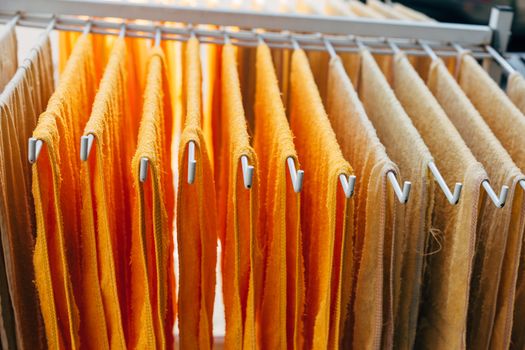
For best results: - Gently reshape damp denim and hang it to air dry, ideally by the waistband to preserve the fit. - Avoid direct sunlight, which can cause rapid fading, especially in indigo-dyed garments. - Never wring out denim, as twisting can distort seams and cause creasing that’s difficult to remove.When storing denim, avoid folding it in the same way each time, which can create permanent creases along the thighs or knees. For jeans, hanging by the waistband or folding loosely is ideal. Jackets should be hung on sturdy, wide-shouldered hangers to maintain their shape.
Spot Cleaning and Stain Management
Spot cleaning is a powerful technique for extending the time between washes. Instead of tossing your jeans in the laundry after every wear, address stains or odors with targeted cleaning.
For most stains: - Blot (don’t rub) the area with a clean, damp cloth. - Use a mild soap or a dedicated stain remover for denim, applying only to the affected area. - Rinse with cold water and let air dry.For odors, try hanging denim outdoors or in a steamy bathroom to air out. You can also use a fabric refresher spray made for dark fabrics. Avoid using bleach or peroxide-based products, which can leave lasting discoloration.
This approach not only preserves the color and fabric but also reduces water and energy usage—a win for both your wardrobe and the planet.
Managing Stretch Denim: Special Considerations
Many modern denim pieces include a small percentage of elastane (commonly 1-3%) to provide stretch and comfort. While this innovation makes jeans more versatile, it also requires special care.
Heat is especially damaging to stretch denim, as it breaks down the elastic fibers, leading to bagging or sagging at the knees and seat. To prolong the life of stretch denim: - Always wash in cold water. - Air dry flat or hang to dry; never tumble dry. - Avoid fabric softeners, which can coat elastic fibers and reduce their effectiveness.If your stretch denim loses its shape, try gently steaming or ironing on a low setting, using a pressing cloth to avoid direct contact with the fabric.
Repair and Restoration: Prolonging Denim Beyond Wear and Tear
Even with the best care, denim will eventually show signs of wear—especially in high-stress areas like the knees, seat, and pockets. However, a culture of repair is gaining traction among denim enthusiasts and sustainability advocates.
Simple repairs such as patching, darning, or reinforcing weak spots can extend a pair of jeans’ life by years. Many brands now offer repair services, and there are countless tutorials online for home fixes.
Statistics show: - According to Levi Strauss & Co., jeans that are repaired instead of replaced can last up to 10 years or more. - A 2023 survey by Fashion Revolution found that 41% of consumers are more likely to buy from brands that offer repair options.By embracing repairs, you not only reduce waste but also add unique character to your denim—turning each piece into a story of longevity and personal history.
Denim Longevity: Beyond Cleaning and Storage
Caring for denim is not just about cleaning and storage—it’s about adopting a mindset that values quality and sustainability. By investing a little extra time and attention, you can significantly extend the life of your denim pieces, saving money and reducing your environmental footprint.
Advanced care techniques—like using cold water, specialized detergents, air drying, spot cleaning, and repairing—can keep your denim looking great for years. And as trends evolve toward more responsible fashion, taking care of what you already own is one of the most impactful choices you can make.