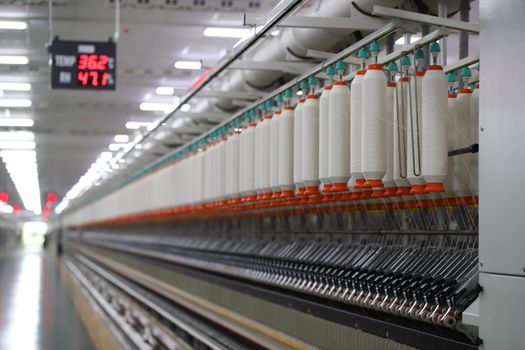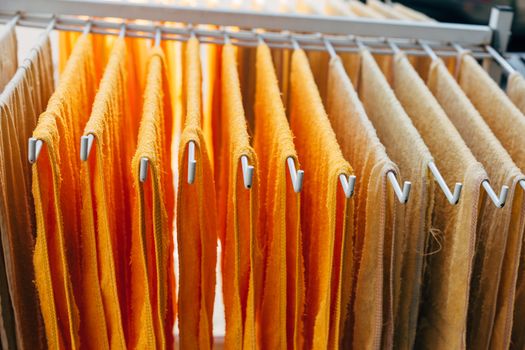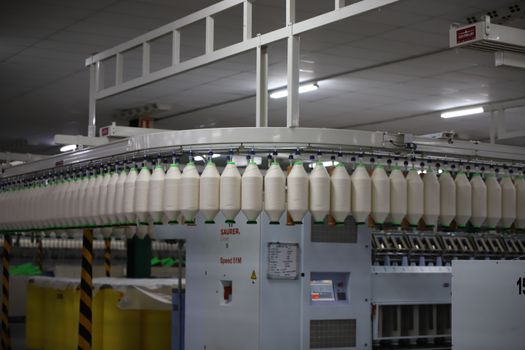
The fabric that makes up your favorite athletic wear does much more than simply cover your body—it’s the hidden foundation behind performance, comfort, and even safety. Whether you’re a professional athlete, a weekend warrior, or just committed to staying active, the right fabric can enhance your workout, keep you cool or warm as needed, and help you push your limits. In today’s rapidly evolving world of sportswear, understanding the role of fabric in athletic performance is crucial for making informed choices. Let’s explore how fabric selection, technology, and science are shaping the gear that powers your every move.
How Fabric Impacts Athletic Wear Performance
When it comes to athletic wear, fabric isn’t just about aesthetics. It directly influences how you perform, how comfortable you feel, and how well your body can regulate temperature and moisture. Research by the Sports Science Institute of South Africa found that moisture-wicking fabrics can reduce skin temperature by up to 2°C during intense physical activity, helping athletes improve endurance and comfort.
But why does fabric matter so much? The answer lies in its properties: - Moisture management: Some fabrics draw sweat away from the skin, keeping you dry. - Breathability: Good athletic fabrics allow air to circulate, preventing overheating. - Flexibility: Stretchable materials support a full range of movement. - Durability: High-quality fabrics withstand repeated washing, stretching, and abrasion.For example, the rise of synthetic fibers like polyester and nylon revolutionized sportswear. Today, over 60% of all athletic apparel uses synthetic blends due to their superior moisture management and durability compared to natural fibers like cotton.
.png)
Moisture-Wicking and Temperature Regulation: Science at Work
One of the most important roles of athletic fabric is handling sweat. During exercise, your body produces sweat to cool down. If sweat sticks to your skin, it can cause chafing, discomfort, and even affect thermal regulation. That’s where moisture-wicking comes in—a feature built into many modern sports fabrics.
Moisture-wicking fabrics, such as polyester, polypropylene, and certain treated cottons, are engineered to pull moisture away from the skin and transport it to the fabric’s surface, where it can evaporate quickly. According to a 2021 study published in the Journal of Textile Science & Engineering, clothing made from synthetic moisture-wicking materials dries up to 50% faster than traditional cotton garments.
Temperature regulation is another crucial factor. In hot conditions, breathable mesh panels or micro-perforated fabrics help dissipate heat, while in cold climates, thermal insulators like fleece trap warmth without adding bulk. Some high-tech fabrics even use phase-change materials, which absorb and release heat as needed to maintain a stable body temperature.
Compression Fabrics: Enhancing Support and Recovery
Compression wear has surged in popularity among athletes, from marathon runners to basketball players. But what’s the science behind these tight-fitting garments?
Compression fabrics are usually blends of nylon, polyester, and elastane (spandex), designed to apply gentle, graduated pressure to specific muscle groups. This pressure can improve blood circulation, reduce muscle vibration, and potentially enhance performance. Research from the Journal of Sports Sciences revealed that athletes wearing compression gear experienced a 2-6% improvement in post-exercise muscle recovery and reported less soreness compared to those in standard sportswear.
Compression fabrics also offer: - Increased proprioception (body awareness) - Reduced risk of strain and injury - Improved muscle alignment during exerciseNot all compression wear is created equal, however. The level of compression, the blend of fibers, and the garment’s fit all play a role in its effectiveness.
Natural vs Synthetic Fabrics: A Performance Comparison
Choosing between natural and synthetic fabrics is a fundamental decision for athletes and sportswear designers alike. While natural fabrics like cotton and merino wool offer softness and breathability, synthetics like polyester and nylon provide superior moisture management and durability.
Here’s a comparison table highlighting key differences:
| Fabric Type | Moisture Wicking | Breathability | Durability | Odor Control | Common Uses |
|---|---|---|---|---|---|
| Cotton | Poor | High | Medium | Low | T-shirts, casual wear |
| Polyester | Excellent | Medium-High | High | Medium | Jerseys, running shirts |
| Nylon | Good | High | Very High | Medium | Leggings, swimwear |
| Merino Wool | Good | Excellent | Medium | Excellent | Base layers, thermal wear |
| Spandex/Elastane | Good | Medium | High | Low | Compression wear, yoga pants |
This table illustrates why most high-performance athletic wear favors synthetic or blended fabrics. For example, polyester’s moisture-wicking abilities make it a staple in running and cycling jerseys, whereas merino wool’s natural odor resistance is prized by long-distance hikers.
The Rise of Smart and Sustainable Athletic Fabrics
The world of athletic wear is undergoing a technological revolution. Smart fabrics—textiles embedded with electronics or advanced fibers—are now making their way into mainstream sportswear. These fabrics can monitor biometrics, adjust insulation in real time, or even release therapeutic agents during exercise.
For instance, companies like Hexoskin and Sensoria have developed shirts woven with sensors that track heart rate, breathing, and movement, transmitting data to your smartphone for instant feedback. Meanwhile, adaptive fabrics such as Outlast use micro-encapsulated phase-change materials to absorb, store, and release heat dynamically, keeping athletes comfortable as conditions change.
Sustainability is another major focus. A 2023 report from the Textile Exchange revealed that over 40% of sports apparel brands now incorporate recycled materials. Recycled polyester, made from post-consumer plastic bottles, is increasingly used in everything from soccer jerseys to yoga pants, offering performance benefits with a reduced environmental footprint.
Choosing the Right Fabric for Your Activity
With so many fabric options available, how do you select the best one for your sport or workout routine? Consider these factors:
- $1 High-intensity workouts (like HIIT or marathon running) benefit from lightweight, moisture-wicking synthetics. Lower-intensity activities may be comfortable in cotton blends. - $1 Outdoor sports in hot climates call for breathable, UV-resistant fabrics, while cold-weather activities need insulating, thermal wear. - $1 Sports requiring a wide range of motion (yoga, dance) need fabrics with high stretch, such as those containing elastane. - $1 If you’re prone to allergies or sensitive skin, look for hypoallergenic natural fibers or fabrics treated to minimize irritation.For example, triathletes often wear suits made of hydrophobic (water-repellent) synthetic fibers to reduce drag in the water, while competitive cyclists choose aerodynamic, compression-enhanced kits for improved speed and muscle support.
Final Thoughts on the Role of Fabric in Athletic Wear
The fabric in your athletic wear is more than a matter of style—it’s a critical component of performance, comfort, and safety. From moisture-wicking synthetics to smart textiles and eco-friendly innovations, today’s sportswear is engineered to help you reach your goals, whatever they may be.
As fabric technologies continue to advance, expect to see even more specialized solutions tailored to specific sports, climates, and personal needs. Whether you’re chasing a new personal best or simply aiming for a comfortable workout, the right fabric makes all the difference.