The clothes we wear are more than just a reflection of our personal style—they’re a daily companion, shielding us from the elements and enduring countless washes, stretches, and movements. Yet, have you ever wondered why some garments lose their shape, fade, or tear after just a few wears, while others remain vibrant and intact for years? The secret lies not just in how we care for our clothes, but fundamentally in the quality of the textiles from which they are made. Understanding how textile quality impacts clothing durability is key to making smarter, longer-lasting wardrobe investments and supporting sustainable fashion.
The Science Behind Textile Quality and Clothing Durability
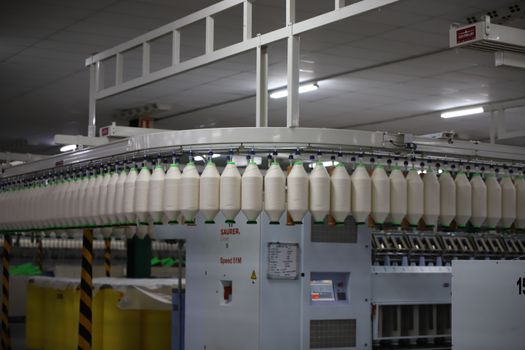
Textile quality is a multifaceted concept, encompassing everything from fiber origin and yarn construction to weaving or knitting techniques and finishing processes. Each of these factors plays a direct role in determining how long your clothes will last and how well they will resist wear and tear.
The durability of a fabric can be measured in several ways: - $1 (how much force it takes to break the fabric) - $1 (how well it withstands rubbing) - $1 (resistance to fading) - $1 (tendency to form small balls of fiber on the surface)For instance, a 2022 study by the Hohenstein Institute found that high-quality cotton fabrics can withstand up to 50% more wash cycles before showing signs of fiber breakdown compared to lower-quality cotton blends. This demonstrates a direct correlation between textile quality and garment lifespan.
.png)
Fiber Types: Natural vs. Synthetic and Their Effect on Lifespan
The foundation of any textile is its fiber. The two main categories are natural (such as cotton, linen, wool, and silk) and synthetic (like polyester, nylon, and acrylic). Each has unique properties that influence how clothing holds up over time.
Natural fibers: - $1 Known for breathability and comfort, but lower-quality cotton tends to pill and tear easily. Long-staple cotton (like Egyptian or Pima) is smoother and stronger, lasting significantly longer. - $1 Excellent for warmth and naturally resistant to wrinkles and soiling. However, low-grade wool can be scratchy and prone to felting. - $1 Durable and gets softer with each wash, but can be prone to wrinkling and abrasion if not of high quality. Synthetic fibers: - $1 Highly durable, resistant to shrinking and stretching, but can pill if made from short fibers or poor-quality yarns. - $1 Extremely strong and abrasion-resistant, often used in activewear for its durability.Blends of natural and synthetic fibers can combine the best (or worst) of both worlds. For example, a cotton-polyester blend may offer the softness of cotton with the resilience of polyester, but if either component is low quality, the overall durability suffers.
Yarn Construction and Density: The Hidden Heroes
The way fibers are spun into yarn and then woven or knitted is just as crucial as the fiber itself. High-quality yarns are tightly twisted, reducing loose ends that can fray or pill. The density of the weave or knit also plays a significant role—fabrics with a higher thread count or tighter knit tend to be more durable, as there are more fibers per unit area to absorb stress.
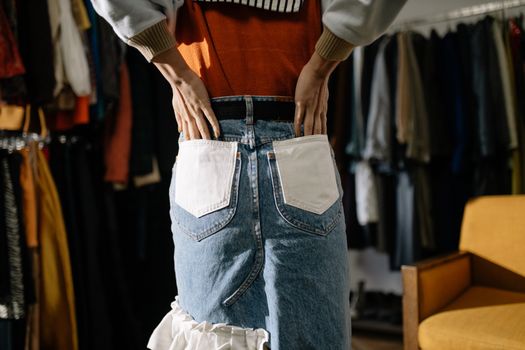
For example, denim with a higher yarn density (measured in ounces per square yard) is much more resistant to tearing and fading. A typical pair of jeans has a fabric weight of 10-12 ounces, while heavyweight workwear jeans can reach up to 16 ounces, offering superior durability for demanding use.
Finishing Techniques: Enhancing Textile Performance
After weaving or knitting, textiles undergo various finishing treatments to improve their properties. These might include: - $1 (for cotton, increases strength and luster) - $1 (pre-shrinks fabric to maintain shape) - $1 - $1A 2021 survey by the American Association of Textile Chemists and Colorists revealed that garments treated with anti-pilling finishes showed up to 75% fewer pills after 20 washing cycles compared to untreated fabrics. Such finishing processes can significantly extend the wearable life of everyday clothing.
Comparing Textile Quality: What the Numbers Say
To illustrate how textile quality impacts garment durability, here’s a comparison table featuring common fabrics and their durability markers:
| Fabric Type | Average Lifespan (Wears/Washes) | Tensile Strength (N) | Pilling Resistance (1-5 scale) | Notes |
|---|---|---|---|---|
| High-quality cotton (long-staple) | 100-150 | 350-400 | 4 | Resists wear, minimal pilling |
| Low-quality cotton (short-staple) | 40-70 | 200-250 | 2 | Prone to tearing, heavy pilling |
| Wool (Merino) | 80-120 | 300-350 | 4 | Excellent shape retention |
| Polyester (high-grade) | 150-200 | 400-450 | 5 | Very durable, rarely pills |
| Polyester (low-grade) | 50-90 | 220-260 | 2 | Prone to pilling and fading |
These numbers highlight the dramatic difference that textile quality makes. A high-quality cotton shirt can last over twice as long as a low-quality one, while premium polyester garments can withstand hundreds of wears and washes with minimal degradation.
Real-World Examples: How Textile Quality Plays Out in Everyday Life
Let’s consider two real-world examples:
1. $1 A $10 fast-fashion cotton T-shirt, typically made from short-staple cotton and loosely knit, may start pilling and losing shape after only 20-30 washes. In contrast, a $30 T-shirt made from long-staple, ring-spun cotton with mercerization can look new after 100 washes, offering better long-term value. 2. $1 Budget jeans often use lower-density denim and skip crucial finishing steps. These jeans might fade, stretch out, or tear at stress points within a year. Quality jeans crafted from heavyweight, tightly woven denim with reinforced seams can last for decades with proper care.A 2020 consumer survey by Statista found that 62% of shoppers who invested in higher-quality clothing reported wearing those pieces for at least five years, compared to only 28% for those who primarily purchased low-cost, fast-fashion items.
Economic and Environmental Implications of Textile Quality
Choosing durable, high-quality textiles isn’t just a matter of personal satisfaction—it has significant economic and environmental impacts.
- $1 Investing in better-made clothing means spending less over time. For instance, a $100 jacket that lasts for 10 years (worn 200 times) costs just $0.50 per wear, compared to a $30 jacket that lasts a single season (worn 20 times), which costs $1.50 per wear. - $1 The Ellen MacArthur Foundation estimates that the average American discards about 81 pounds of clothing each year, much of it due to premature wear. Extending the life of clothing by just nine months can reduce carbon, water, and waste footprints by about 20-30%. - $1 Producing low-quality textiles often involves more intensive resource use and pollution, as manufacturers prioritize speed and cost over longevity.By prioritizing clothing made from high-quality textiles, consumers can help cut down on textile waste, save money, and reduce their environmental footprint.
Smart Shopping: How to Identify Quality Textiles
Spotting high-quality textiles doesn’t require a degree in textile engineering—just a few sharp observations: - $1 High-quality textiles feel smooth, substantial, and consistent, not scratchy or flimsy. - $1 Hold the garment up to the light; dense fabrics block more light and are less likely to develop holes. - $1 Look for specific fiber names (e.g., “long-staple cotton,” “Merino wool”) and details about treatments or finishes. - $1 Seams should be straight, tight, and reinforced. Loose threads or uneven stitching are red flags. - $1 Brands with a history of quality are more likely to use superior textiles.Taking a few extra minutes in the fitting room or while browsing online reviews can save years of frustration down the road.
Lasting Value: Why Textile Quality Should Guide Your Clothing Choices
The quality of the textile is the silent partner in every wardrobe decision—a factor that determines not only how your clothes look and feel, but also how long they last. By understanding the science of textile durability, the differences between fiber types, and the impact of yarn construction and finishing, you can make more informed choices that benefit both your wallet and the world.
In a market flooded with fast fashion and disposable trends, investing in high-quality textiles offers enduring value, comfort, and sustainability. The next time you shop for clothes, remember: what’s woven into the fabric is every bit as important as what’s stitched on the label.