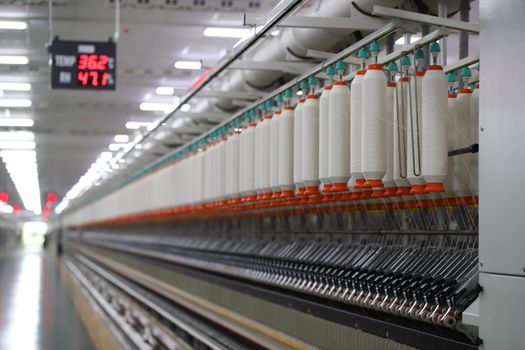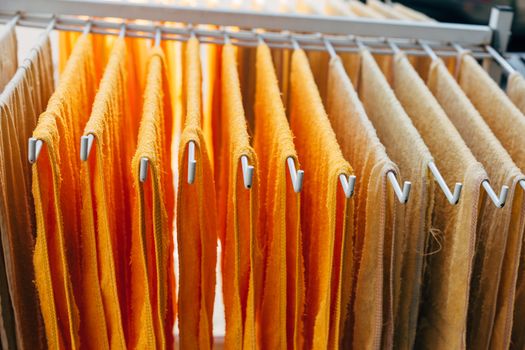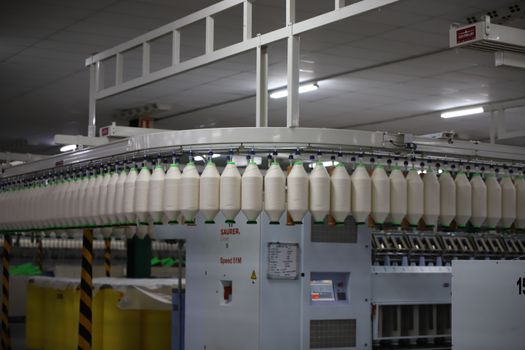
The fashion industry has long faced criticism for its environmental impact, from excessive water consumption to the proliferation of waste and pollution. In recent years, sustainability has become a pressing concern, prompting both brands and consumers to seek greener alternatives. One of the most promising developments in this arena is the rise of technical textiles—engineered materials designed to offer functionality beyond traditional aesthetics. But what impact do technical textiles have on sustainability in the fashion industry? This article explores the various ways technical textiles are shaping a more sustainable future for fashion, supported by concrete facts, recent innovations, and real-world examples.
Understanding Technical Textiles and Their Role in Fashion
Technical textiles are materials specifically developed for their functional properties rather than just appearance. Unlike conventional fabrics such as cotton or polyester, technical textiles can be engineered to exhibit characteristics like moisture-wicking, antimicrobial action, UV protection, or enhanced durability. Initially used in automotive, medical, and industrial sectors, these innovative fabrics are now making significant inroads into fashion.
The global technical textile market was valued at approximately $201.2 billion in 2023 and is projected to grow at a CAGR of 5.3% through 2030, according to Grand View Research. This rapid expansion is fueled in part by the fashion industry's increasing demand for sustainable, high-performance materials.
.png) Technical textiles in fashion include but are not limited to:
- Recycled polyester fibers made from post-consumer waste
- Biodegradable polyesters and regenerated cellulose fibers
- Smart fabrics embedded with sensors or self-cleaning properties
Technical textiles in fashion include but are not limited to:
- Recycled polyester fibers made from post-consumer waste
- Biodegradable polyesters and regenerated cellulose fibers
- Smart fabrics embedded with sensors or self-cleaning properties
Their impact goes far beyond performance; they are fast becoming crucial tools in reducing fashion’s environmental footprint.
Reducing Resource Consumption and Waste with Technical Textiles
One of the most significant sustainability challenges in fashion is the massive consumption of natural resources. Traditional cotton, for example, requires approximately 2,700 liters of water to produce a single T-shirt. Technical textiles offer solutions by enabling the use of alternative fibers and improving the efficiency of garment production.
For instance, recycled polyester (rPET), derived from plastic bottles and post-consumer waste, uses up to 59% less energy compared to virgin polyester. Brands like Patagonia and Adidas have pioneered the use of technical textiles made from recycled ocean plastics, demonstrating that performance and sustainability can coexist.
Some technical textiles are also designed for longer life spans, reducing the frequency of replacement and thereby minimizing waste. For example, Dyneema, one of the world’s strongest fibers, is used in high-durability outdoor gear, extending the usable life of products and reducing the need for frequent purchases.
Comparing Environmental Impact: Traditional vs. Technical Textiles
To truly understand the sustainability benefits, it's helpful to compare traditional textiles with technical textile alternatives. See the table below:
| Aspect | Cotton (Traditional Textile) | Recycled Polyester (Technical Textile) | Lyocell (Technical Textile) |
|---|---|---|---|
| Water Usage (per kg fiber) | ~10,000 liters | <20 liters | ~260 liters |
| Energy Consumption | High (mainly irrigation, processing) | Low (59% less than virgin polyester) | Moderate (closed-loop process) |
| Biodegradability | Yes (natural fiber) | No (synthetic) | Yes (breaks down faster than cotton) |
| Raw Material Source | Agricultural land | Post-consumer plastic waste | Sustainably sourced wood pulp |
| CO2 Emissions (per kg fiber) | ~2.1 kg | ~1.0 kg | ~0.9 kg |
This data-driven comparison highlights how technical textiles like recycled polyester and lyocell can dramatically reduce water use and carbon emissions, both critical factors in improving sustainability.
Technical Textiles and Circular Fashion
Circular fashion is an emerging movement aiming to keep resources in use for as long as possible, through recycling, upcycling, and designing for durability and repair. Technical textiles are at the heart of this transformation.
Some key contributions include: - Development of mono-material garments, which are easier to recycle at end-of-life. - Fabrics designed for disassembly, so that different material components can be separated and recycled efficiently. - Integration of RFID tags and blockchain-enabled labels for material tracking and authentication, which streamline recycling and resale processes.For example, the brand Stella McCartney collaborates with companies like Evrnu and Bolt Threads to introduce textiles that can be regenerated into new garments multiple times without losing quality. In 2022, over 40 major fashion brands committed to using technical textiles that support a circular model, according to the Ellen MacArthur Foundation.
Innovative Technical Textiles: Biodegradable, Bio-based, and Beyond
Not all technical textiles are synthetic or petroleum-based. A new wave of innovation focuses on biodegradable and bio-based fibers. These materials are engineered for high performance while ensuring they break down harmlessly at the end of their life cycle, minimizing environmental impact.
Examples include: - Biodegradable polyesters like PLA (polylactic acid), which decompose under industrial composting conditions - Bio-based nylons made from castor oil or other renewable plant sources - Algae-based textiles, which are carbon-neutral and biodegradableIn 2023, the market for bio-based textiles grew by 18%, reflecting fashion brands’ eagerness to adopt materials that align with global sustainability goals. Companies like PANGAIA and Allbirds are pushing the boundaries by incorporating seaweed fibers, eucalyptus, and even mushroom-based leather alternatives into mainstream fashion.
Challenges and Considerations in Adopting Technical Textiles
While the promise of technical textiles is significant, there are hurdles to widespread adoption. Cost remains a key barrier; technical textile production often requires advanced machinery and skilled labor, leading to higher prices compared to conventional fabrics.
There are also concerns regarding microplastic pollution from synthetic technical textiles. Even recycled polyester can shed microfibers during washing, which may enter waterways. Researchers and manufacturers are working on solutions such as special coatings or fabric constructions that minimize fiber loss.
Moreover, the recycling infrastructure for technical textiles is still developing. Some materials, especially composites or those with coatings, can be difficult to process at end-of-life. Industry-wide collaboration is required to build effective supply chains and recycling ecosystems.
The Future of Technical Textiles in Fashion Sustainability
The integration of technical textiles offers a powerful pathway toward a more sustainable fashion industry. Through resource conservation, circular design, and innovation in biodegradable materials, technical textiles are helping fashion brands meet ambitious environmental targets.
As consumer awareness grows and regulatory pressures increase—such as the European Union’s Sustainable Textile Strategy, which aims for all textiles on the EU market to be durable, repairable, and recyclable by 2030—the adoption of technical textiles will likely accelerate. According to McKinsey, nearly 60% of fashion executives surveyed in 2023 prioritized investment in sustainable materials, with technical textiles topping the list.
In summary, technical textiles are not a panacea, but they represent a crucial tool in the quest for sustainable fashion. When combined with responsible design, ethical production, and robust recycling systems, they can dramatically reduce the industry’s environmental footprint.