Denim’s Dynamic Role: Exploring Its Unmatched Versatility in the Fashion Industry
Few fabrics have left as indelible a mark on global fashion as denim. What began as a utilitarian textile for laborers in the 19th century has evolved into a symbol of rebellion, a canvas for artistic expression, and a staple in high fashion. Today, denim transcends boundaries of age, gender, and style, seamlessly adapting to shifting trends and market demands. But what is it about denim that makes it so endlessly adaptable and relevant? This article delves into the many dimensions of denim’s versatility, uncovering how this humble cotton twill continues to shape, and be shaped by, the ever-evolving world of fashion.
The Origins and Evolution of Denim in Fashion
Denim’s story begins in the late 1800s, when Levi Strauss and Jacob Davis patented the first riveted denim jeans for miners and laborers. Originally crafted for durability, denim quickly transcended its workwear roots. By the 1950s, icons like James Dean and Marlon Brando turned jeans into a symbol of youthful rebellion. In the decades that followed, denim’s reach expanded beyond blue jeans, finding its way into jackets, skirts, shirts, and accessories.
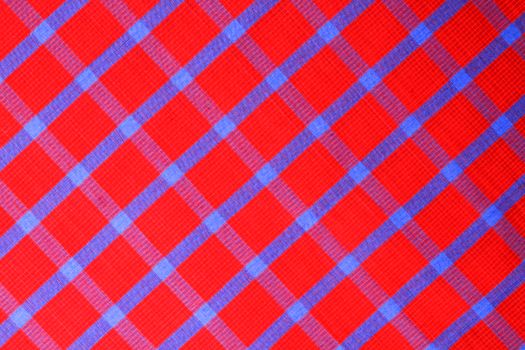
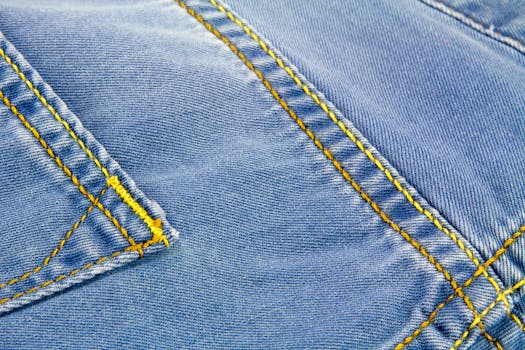
A key factor in denim’s versatility is its unique weave and fiber composition. Traditionally made from 100% cotton, denim’s diagonal ribbing provides both strength and flexibility. Innovations in textile manufacturing introduced stretch denim (with elastane or spandex), enabling new silhouettes and fits.
.png)
Today, the denim industry is a global powerhouse, with the market valued at over $64 billion in 2022 and projected to reach $87 billion by 2027. This growth is fueled by denim’s ability to adapt to cultural shifts, technological advancements, and environmental concerns.
From Streetwear to Haute Couture: Denim’s Universal Appeal
No other fabric boasts denim's range on the runway and the street. Its unique texture and indigo hue have inspired designers across fashion’s spectrum.
In streetwear, denim jeans, jackets, and shorts are everyday essentials. Brands like Levi's, Wrangler, and Diesel have set the standard for classic blue jeans, but the 21st century has seen an explosion in designer collaborations and limited-edition drops. Distressed finishes, patchwork, and custom embellishments have made denim a canvas for self-expression.
Meanwhile, high fashion designers have embraced denim in unexpected ways. The likes of Chanel, Dior, and Balmain have sent intricately tailored denim pieces down the runway, elevating the fabric into luxury territory. Designers combine denim with silk, leather, or lace, and experiment with washes, dyes, and embroidery to create statement pieces.
The table below showcases how denim is used across different fashion segments:
| Fashion Segment | Common Denim Applications | Notable Brands/Designers |
|---|---|---|
| Streetwear | Jeans, jackets, shorts, skirts | Levi's, Diesel, G-Star RAW |
| Luxury/Haute Couture | Tailored suits, embellished dresses, experimental silhouettes | Chanel, Dior, Balmain |
| Workwear/Utility | Coveralls, aprons, carpenter jeans | Carhartt, Dickies |
| Sustainable/Eco Fashion | Recycled denim, organic cotton blends, upcycled garments | Everlane, Nudie Jeans, Re/Done |
Denim’s chameleon-like nature means it can be at home in a punk club, on a Paris runway, or in an eco-conscious boutique.
Technological Innovations: Reinventing Denim for Modern Needs
Denim’s versatility is amplified by ongoing technological innovations. As consumer demands evolve, so do the methods for producing and finishing denim garments. Three significant advances have shaped the modern denim landscape:
1. Stretch and Comfort Fabrics The introduction of elastane (spandex) in the 1970s revolutionized denim. Today, stretch denim accounts for more than 35% of global denim sales, offering greater comfort and body-contouring fits. This innovation gave rise to popular trends like skinny jeans, jeggings, and tailored denim pieces suitable for a wider range of body types. 2. Sustainable Production Techniques The fashion industry faces mounting pressure to reduce its environmental footprint. Traditional denim manufacturing is water and energy-intensive; producing a single pair of jeans can consume up to 1,800 gallons of water. In response, brands now leverage laser finishing (for distressing and fading), ozone washing (using air instead of water), and recycled fibers to create eco-friendly denim. Companies like Levi’s have introduced “Water