The textile industry, a cornerstone of global manufacturing, entails an intricate journey from raw material extraction to the fashionable apparel in our wardrobes. This expansive network, crucial for both industry insiders and conscious consumers, merits a closer examination to appreciate its scope, challenges, and the potential for sustainable practices.
The Origin: Raw Materials
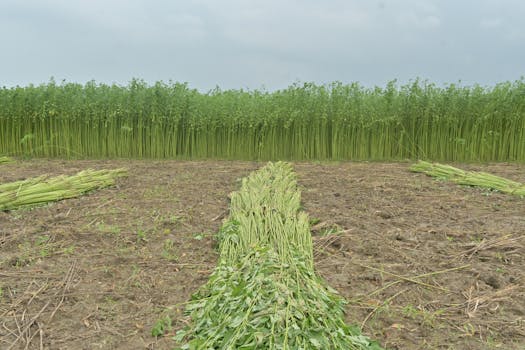
Textile production starts with the procurement of raw materials, which are predominantly categorized into natural and synthetic fibers. Natural fibers include cotton, wool, silk, and linen, each with unique properties and environmental footprints. For instance, cotton, despite being highly favored for its comfort, is criticized for its hefty water and pesticide requirements. Synthetic fibers like polyester and nylon, derived from petrochemicals, offer durability and versatility but are energy-intensive and non-biodegradable, contributing significantly to environmental pollution.
.png)
Yarn Production
The transformation of these raw materials into yarn is the next pivotal step. Natural fibers undergo processes such as cleaning, carding, and spinning. Synthetic fibers, on the other hand, are produced through a chemical process where they are extruded and spun into yarn. The quality of yarn is instrumental in determining the durability and texture of the final textile products.
Fabric Creation
Following yarn production, the creation of fabric is achieved through weaving or knitting. Weaving intertwines yarns at right angles, while knitting links yarns in a series of loops. This stage is crucial as it defines key fabric attributes like elasticity and warmth. Subsequent dyeing and finishing processes further refine the fabric’s aesthetic and functional qualities, preparing it for the next phase of production.
Garment Manufacturing
The transformation of fabric into garments involves cutting and assembling fabric pieces based on specific patterns. This stage is labor-intensive and is predominantly outsourced to countries with lower labor costs. This phase is also under scrutiny for ethical practices concerning working conditions and fair wages in the textile industry.
Distribution and Retail
Manufactured garments are then distributed through various channels including brick-and-mortar stores, online platforms, and direct-to-consumer outlets. The efficiency of this distribution impacts the accessibility and cost of the apparel.
The Role of Consumers
In the textile supply chain, consumers wield considerable influence. Their purchasing decisions can propel industry-wide shifts towards sustainable and ethical manufacturing practices. By choosing products that are responsibly made and environmentally benign, consumers can drive significant change.
Challenges and Innovations
The textile industry faces significant challenges such as environmental degradation, unethical labor practices, and sustainability of resources. Innovations are continually being integrated into the industry to address these issues. These include recycling initiatives, adoption of organic and less water-intensive raw materials, and enhancing labor conditions across the manufacturing process.
Conclusion
A thorough understanding of the textile supply chain is vital for making informed purchasing decisions and for businesses committed to adopting sustainable and ethical practices. As consumer awareness and technological advancements evolve, they collectively shape a more sustainable and equitable future for the textile industry. This insight not only empowers consumers but also prompts companies to refine their operational and ethical standards.
