Fabric manufacturing is an essential and sophisticated process central to the production of textiles for a wide array of applications, including fashion, interior design, and industrial uses. This process involves several critical stages, each contributing distinctively to the quality, texture, and performance of the final product. Here is a detailed analysis of the key stages involved in fabric manufacturing.
- Fiber Selection
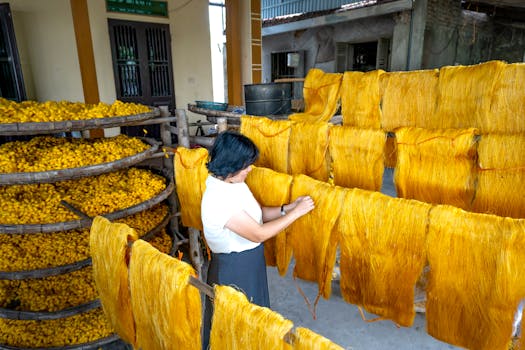
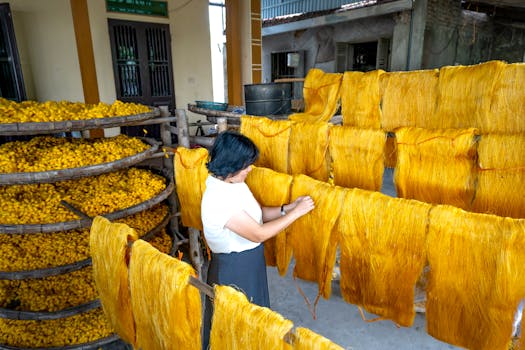
The initial step in fabric manufacturing is choosing the appropriate fiber. Fibers are broadly categorized into natural and synthetic types. Natural fibers, such as cotton, wool, silk, and linen, are derived from plants and animals. They are prized for their comfort, breathability, and environmental friendliness. On the other hand, synthetic fibers like polyester, nylon, and acrylic are man-made, typically from petrochemicals, known for their durability, resistance to staining, and ability to retain shape.
- Spinning
After fiber selection, the next phase is spinning the fibers into yarn. Spinning may be executed through several techniques:
.png)
- Ring Spinning: The traditional method of spinning, where the fiber is stretched and twisted to create yarn.
- Open-End Spinning: A faster and more economical method where the fiber is fed into a rotor and spun into yarn through centrifugal force.
- Air-Jet Spinning: A method where yarn is formed by wrapping fibers around a core stream of air, resulting in a lighter and bulkier yarn.
Each spinning method has its advantages and is chosen based on the end-use of the yarn.
- Weaving and Knitting
Once the yarn is spun, it can be crafted into fabric either by weaving or knitting:
- Weaving: This process involves interlacing two distinct sets of yarns (warp and weft) at right angles on a loom. The complexity of the weave affects the texture, strength, and appearance of the fabric.
- Knitting: In knitting, yarns are looped together in a series of interconnected loops using needles. Knitted fabrics are generally more stretchable and softer than woven fabrics.
- Finishing Processes
Post weaving or knitting, the fabric undergoes several finishing processes to enhance its properties and appearance:
- Bleaching: The removal of natural coloration from the fabric to achieve a uniform white base.
- Dyeing: The application of color to fabric in a controlled manner to achieve desired shades.
- Printing: The process of applying colored patterns and designs to the fabric.
- Chemical Treatments: Fabrics may be treated with special chemicals to impart qualities like water repellency, flame resistance, and resistance to wrinkling.
- Quality Control
Throughout the manufacturing process, rigorous quality control is essential. This includes inspection at various stages to ensure there are no defects and that the fabric meets all specified standards.
- Technological Advancements
The fabric manufacturing industry has seen significant technological advancements that increase efficiency and sustainability. Digital printing and automated weaving systems have revolutionized traditional methods, allowing for greater precision and reduced waste. Sustainable practices, such as using organic materials and recycling waste products, are increasingly prevalent to minimize environmental impact.
Conclusion
Fabric manufacturing is a multifaceted process that requires precision, expertise, and technological support to produce high-quality textiles. As the industry evolves, it continues to embrace new technologies and sustainable practices, ensuring that the textiles meet changing consumer demands and environmental standards. Understanding these processes not only helps in making informed decisions as a consumer but also appreciates the craftsmanship and technology behind our everyday textiles.