The process of transforming raw materials into finished clothing is intricate, involving multiple steps that each play a crucial role in the development of the garments we wear. This journey from raw materials to retail shelves is not only fascinating but also essential for understanding how the fashion industry operates.
- Sourcing Raw Materials
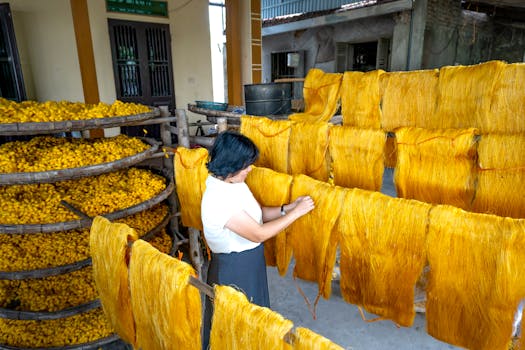
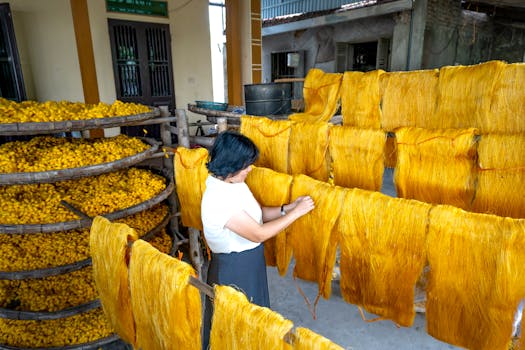
The journey begins with the sourcing of raw materials. Common materials include natural fibers like cotton, wool, silk, and synthetic fibers such as polyester and nylon. Each material is chosen based on its properties and the intended use of the finished garment. For instance, cotton is popular for its comfort and breathability, making it ideal for casual wear, whereas silk offers a luxurious feel, perfect for formal attire.
- Fiber Production
The sourced materials are then processed into fibers. Natural fibers undergo processes like cleaning and carding to align the fibers before they are spun into yarn. Synthetic fibers are created through chemical processes; for example, polyester is produced by polymerizing chemicals derived from petroleum.
.png)
- Yarn Spinning
Spinning transforms fibers into yarns by twisting them together. This process is pivotal as the characteristics of the yarn—such as thickness, strength, and texture—directly affect the texture and quality of the final fabric.
- Fabric Creation
Yarn is woven or knitted into fabric, with the method depending on the desired fabric characteristics. Weaving involves crossing two sets of yarns, which is common for fabrics like denim, while knitting links yarns in a series of loops, suitable for stretchable fabrics like those used in t-shirts.
- Dyeing and Finishing
Post-weaving or knitting, the fabric is dyed and finished. Dyeing can be applied at different stages but usually occurs after fabric creation to achieve vibrant colors and patterns. Finishing processes such as bleaching or chemical treatments are applied to impart additional properties like shrink resistance or colorfastness.
- Cutting and Sewing
Fabric is then laid out, cut, and sewn into garments according to patterns that dictate the design. This stage requires significant skill in tailoring to ensure that the pieces fit together correctly and the final garment meets design specifications.
- Quality Control
Quality control is critical in the manufacturing process. Each garment is inspected for defects and quality issues to ensure only the best products make it to the market. Items that do not meet the standards are either corrected or discarded.
- Distribution and Retail
Finished garments are then packaged, shipped to retailers, or distributed directly to consumers through various channels. This stage is crucial for ensuring that clothing reaches its intended market in perfect condition.
- Marketing and Sales
Finally, the garments are marketed and sold to consumers. Effective marketing strategies, such as advertising, social media engagement, and fashion shows, play key roles in how a brand positions itself and attracts consumers.
Conclusion
Understanding the detailed process from raw material sourcing to final sales provides insights into the complexity and craftsmanship involved in clothing production. It highlights the importance of each step in ensuring that the clothes we wear not only look good and fit well but are also of high quality and made responsibly. This knowledge encourages a greater appreciation for the garments we choose and wear daily, emphasizing the blend of art and science that fashion represents.