Fabric design is an essential component of fashion, deeply influencing the final appearance, functionality, and comfort of garments. This article delves into how fabric design impacts every stage of garment creation, from conception to final product, and highlights its significance in the evolving landscape of sustainable fashion.
The Role of Fiber Choice
The journey of fabric design begins with the selection of fibers, which sets the foundation for the fabric's performance and aesthetic qualities. Natural fibers like cotton, wool, and silk offer distinct textures and benefits, such as breathability and durability. Synthetic fibers, including polyester and nylon, are prized for their resilience and color retention. The choice of fiber affects not only the tactile qualities of the fabric but also its suitability for different types of garments.
.png)
Yarn and Weave Techniques
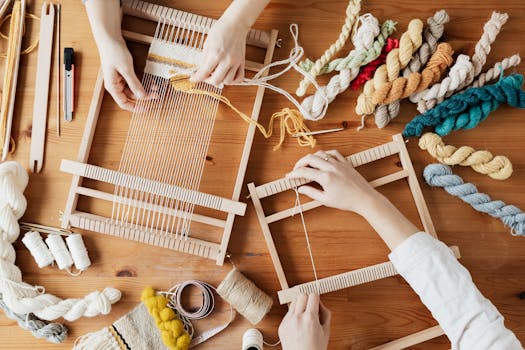
Once fibers are chosen, they are spun into yarns and eventually woven or knitted into fabrics. The construction of the yarn and the techniques used in weaving or knitting can significantly alter the fabric's properties. For instance, a densely woven fabric like gabardine is ideal for structured garments such as trench coats, whereas loosely knitted fabrics like jersey are better suited for casual, stretchy clothing items.
The Impact of Color and Pattern
Color is a dynamic element in fabric design, capable of making a powerful statement or subtly enhancing the appeal of a garment. It plays a crucial role in aligning a piece of clothing with current fashion trends or specific consumer preferences. Patterns add a layer of complexity to fabric design, offering endless possibilities for customization and stylistic expression. Whether abstract, floral, or geometric, patterns help define the garment's character and can manipulate visual perception, such as altering the apparent shape and size of the wearer's body.
Texture: Enhancing Visual and Tactile Appeal
Texture contributes both to the aesthetic judgment and physical comfort provided by a garment. It can range from the luxurious touch of velvet to the rugged feel of heavyweight denim. Textures not only influence the look and feel of the fabric but also play a crucial role in determining the suitability of a fabric for certain weather conditions or social settings.
Influence on Garment Construction
The inherent characteristics of a fabric heavily influence garment construction techniques. Fabrics that are fluid and drapey, such as silk chiffon, require different handling and stitching methods compared to sturdier fabrics like wool tweed. The choice of fabric also affects the garment's fit and movement, with stretch fabrics offering greater flexibility and comfort.
Sustainability Considerations
As environmental awareness increases, sustainable practices in fabric design are becoming more critical. Designers are turning to eco-friendly materials, such as organic linen and recycled synthetics, and are adopting less harmful dyeing and finishing processes. Sustainable fabric design not only minimizes the environmental footprint but also appeals to the eco-conscious consumer, offering a cleaner alternative without compromising on style or quality.
Conclusion
Fabric design is a multifaceted art form that influences every aspect of a garment's final look, feel, and function. As the fashion industry continues to evolve, the importance of thoughtful fabric selection and innovative design techniques remains paramount. Understanding the complexities of fabric design enables designers to create more effective, sustainable, and visually appealing garments, ultimately enriching the consumer's wardrobe and contributing to a more sustainable world.