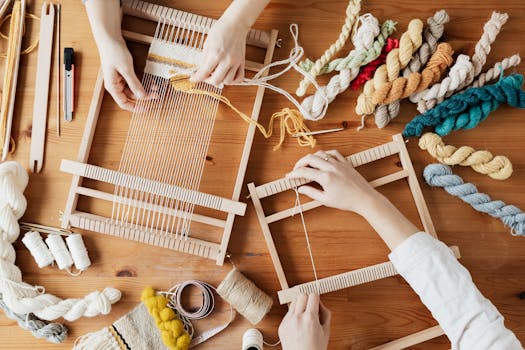
Fabric design is a fascinating blend of creativity and technical skill, essential in industries like fashion and interior design. A well-designed fabric can make a significant impact, influencing the success of various products. This article delves into the crucial elements of successful fabric design, providing valuable insights for both aspiring designers and enthusiasts.
Understanding the Basics of Fabric Design
The journey of fabric design begins with a thorough understanding of materials. Each type of fiber—be it natural like cotton, silk, and wool, or synthetic like polyester—responds differently to dyes, behaves uniquely during the printing process, and has a distinct final appearance and texture. A proficient fabric designer must master the knowledge of these materials and their interactions with various dyes and treatments.
.png)
The Role of Color in Fabric Design
Color is a vital component of fabric design. It has the power to evoke emotions, convey messages, and create striking visual effects. Designers employ color theory to choose complementary colors tailored to the fabric’s purpose. A deep understanding of color psychology and the dynamics of color interactions is essential for crafting visually appealing designs that capture attention in the marketplace.
Patterns and Textures
The creation of patterns and textures is a primary avenue for a designer's creativity. Patterns may range from geometric and abstract to floral and thematic, depending on the designer's vision. The scale and repetition of these patterns play a crucial role in both their aesthetic value and functionality. Textures contribute to the fabric's depth and tactile feel, enhancing its visual interest. Techniques like embroidery, quilting, and appliqué are commonly used to introduce texture into fabric designs.
Technological Advances in Fabric Design
Advancements in technology have transformed fabric design, with digital printing and 3D modeling becoming increasingly significant. These digital tools enable designers to experiment with designs more efficiently and with higher precision. Furthermore, 3D modeling software aids in visualizing how designs will look on three-dimensional surfaces, which is particularly beneficial in apparel and furniture design.
Sustainability in Fabric Design
With growing environmental awareness, sustainability has become an integral aspect of fabric design. Designers are shifting towards eco-friendly materials and processes that minimize environmental impact. This includes the adoption of organic fibers, non-toxic dyes, and water-efficient printing methods. Sustainable practices not only appeal to eco-conscious consumers but also help reduce the textile industry's ecological footprint.
The Importance of Market Research
Successful fabric design is not just about creativity and skills but also involves understanding the market. Designers need to stay informed about current trends and consumer preferences. Market research can reveal what patterns, colors, and textures are favored by certain demographics, enabling designers to tailor their products to better meet market demands and stand out in a competitive industry.
Collaboration and Feedback
Engaging in collaboration with other designers, clients, and end-users can provide critical feedback that enhances the design process. Such interactions can refine designs to better align with market needs and expectations. Collaboration also fosters innovative ideas and solutions that might not emerge from solitary endeavors.
Conclusion
Successful fabric design is an intricate mix of art and science, demanding an in-depth understanding of materials, a sharp eye for color and pattern, and an awareness of technological and environmental trends. By merging creativity with strategic thinking and collaborative efforts, fabric designers can create textiles that are not only aesthetically pleasing and functional but also successful in resonating with consumers and enduring over time. For anyone from budding designers to textile aficionados, grasping these elements enriches the appreciation of the intricate world of fabric design.

