Exploring the World of Synthetic Fabrics: Polyester and Beyond
Synthetic fabrics are all around us—from the athletic wear that keeps us cool and dry, to the upholstery on our furniture, to the flags waving atop city buildings. While natural fibers like cotton, wool, and silk have shaped the history of textiles, synthetic fabrics have revolutionized the way we live, dress, and innovate. Polyester, nylon, acrylic, and spandex are more than just alternatives to natural fibers; they are the result of scientific advancement, offering unique benefits, design possibilities, and challenges. In this article, we’ll take a deep dive into the world of synthetic fabrics, examining their origins, properties, uses, environmental impact, and future.
The Rise of Synthetic Fabrics: A Brief History
The journey of synthetic fabrics began in the early 20th century, driven by the need for affordable, durable, and versatile textiles. In 1935, Wallace Carothers and his team at DuPont developed nylon—the first fully synthetic fiber. Initially used in toothbrush bristles and women’s stockings, nylon quickly gained popularity for its strength and elasticity.
Polyester, perhaps the most recognized synthetic fabric today, was invented in 1941 by British chemists John Rex Whinfield and James Tennant Dickson. By the 1970s, polyester had become a household name, especially in fashion. Its wrinkle resistance and ease of care made it hugely popular during the era of low-maintenance clothing.
.png)
Today, synthetic fabrics account for over 60% of global fiber production, with polyester alone representing a staggering 57.5 million metric tons in 2022, according to Statista. Their widespread adoption is a testament to their adaptability and appeal, but also raises important questions about sustainability and innovation.
Understanding Synthetic Fabrics: Types and Properties
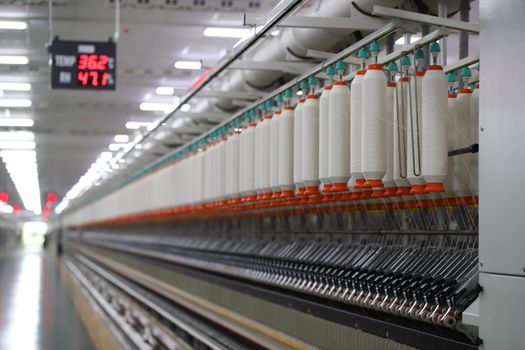
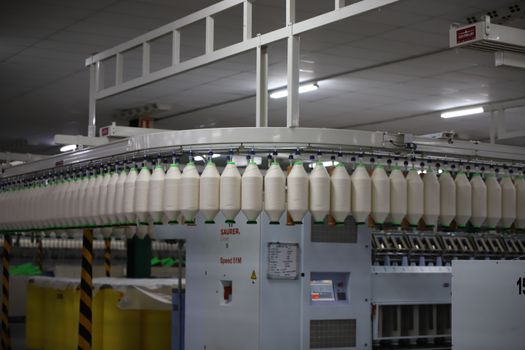
Synthetic fabrics are made from polymers—large molecules composed of repeating structural units—derived primarily from petroleum-based chemicals. The manufacturing process involves spinning these polymers into fibers, which are then woven or knitted into textiles.
Let’s explore some of the most common synthetic fabrics and what sets them apart:
1. Polyester: Known for its strength, durability, and resistance to shrinking and stretching. Polyester dries quickly, retains its shape, and is easy to dye, making it a favorite for everything from t-shirts to technical gear. 2. Nylon: Praised for its high tensile strength and smooth texture, nylon is used in hosiery, swimwear, parachutes, and outdoor gear. It’s lightweight yet tough, and highly resistant to abrasion. 3. Acrylic: Often used as a wool substitute, acrylic is soft, lightweight, and highly insulating. It resists moths and mildew, making it suitable for sweaters, blankets, and outdoor fabrics. 4. Spandex (Lycra/Elastane): Famed for its exceptional elasticity, spandex can stretch up to 500% of its original length. It’s commonly blended with other fibers to provide stretch in sportswear, underwear, and denim. 5. Polypropylene: This lightweight, water-repellent fabric is used in activewear, thermal underwear, and even medical masks due to its moisture-wicking abilities.Here’s a comparative overview of these key synthetic fibers:
| Fabric | Strength | Elasticity | Moisture Management | Common Uses |
|---|---|---|---|---|
| Polyester | High | Moderate | Low | Clothing, Home Textiles, Outdoor Gear |
| Nylon | Very High | High | Moderate | Swimwear, Hosiery, Ropes, Luggage |
| Acrylic | Moderate | Low | Low | Knitwear, Blankets, Outdoor Furniture |
| Spandex | Moderate | Very High | High | Sportswear, Underwear, Stretch Denim |
| Polypropylene | Moderate | Moderate | Very High | Activewear, Medical Textiles, Carpets |
Everyday Applications: Where Synthetic Fabrics Shine
Synthetic fabrics have permeated nearly every aspect of modern life, thanks to their versatility and performance. Here are just a few examples:
Sportswear and Performance Apparel: Over 80% of modern athletic wear contains synthetic fibers. Polyester and spandex blends are essential for moisture-wicking, stretch, and durability. Brands like Nike, Adidas, and Under Armour rely on these materials for their high-performance lines.
Home Textiles and Furnishings: Polyester is the dominant choice for curtains, upholstery, and bedding due to its resistance to wrinkles and shrinking. Acrylic’s colorfastness and weather resistance make it ideal for outdoor furniture.
Industrial and Medical Uses: Nylon’s strength is harnessed in parachutes, seat belts, and ropes. Polypropylene is used extensively for medical masks, surgical gowns, and filtration fabrics, especially highlighted during the COVID-19 pandemic.
Fashion and Everyday Clothing: From affordable fast fashion to innovative high-end collections, synthetics provide new textures, finishes, and colors that are difficult to achieve with natural fibers alone. The "polyester suit" of the 1970s may be infamous, but today’s synthetics are nearly indistinguishable from natural fabrics, thanks to advancements in fiber technology.
Environmental Impact: The Double-Edged Sword
While synthetic fabrics offer many practical advantages, their environmental footprint is a growing concern. The production of synthetic fibers relies heavily on petrochemicals and energy-intensive processes. According to the Ellen MacArthur Foundation, synthetic textiles are responsible for approximately 35% of all microplastics released into the world’s oceans—about 190,000 tons per year.
Some key environmental challenges include:
Resource Use: Producing 1 kg of polyester requires about 1.5 kg of oil, and the production process emits significant greenhouse gases.
Microplastic Pollution: Washing synthetic fabrics can release thousands of microfibers per load. These tiny plastics are not biodegradable and accumulate in waterways, affecting marine life and potentially entering the food chain.
End-of-Life Issues: Most synthetic fabrics are not biodegradable; a polyester shirt can take over 200 years to break down in a landfill.
However, the industry is taking steps toward mitigation. Recycled polyester, known as rPET, uses post-consumer plastic bottles and industrial waste. In 2021, over 14% of polyester production was recycled material, and this percentage is increasing as brands prioritize sustainability.
Innovations and the Future of Synthetics
The future of synthetic fabrics lies at the intersection of science, sustainability, and creativity. Researchers and companies are working to create fibers that combine the best attributes of synthetics with eco-friendly processes.
Bio-Based Synthetics: New fibers like Sorona (partially made from corn glucose) and bio-based nylon offer reduced reliance on fossil fuels. Sorona production reduces greenhouse gas emissions by 63% compared to conventional nylon.
Advanced Recycling: Chemical recycling processes break down used synthetics to their molecular building blocks, allowing for true “closed loop” textile recycling. Brands like Patagonia and Adidas have launched fully recyclable collections using these technologies.
Smart and Functional Textiles: Emerging synthetics can incorporate antimicrobial properties, UV protection, or even embedded electronics for health monitoring. The global smart textile market is projected to reach $13.6 billion by 2024, according to MarketsandMarkets.
Blending with Natural Fibers: Hybrid fabrics that combine synthetics with organic fibers (like cotton-polyester blends) are being engineered for increased comfort, performance, and sustainability.
How to Care for Synthetic Fabrics
Proper care extends the life of synthetic garments and helps reduce their environmental impact. Here are some practical tips:
Wash Less Frequently: Synthetic fabrics are often odor-resistant. Spot clean when possible and air out garments between wears.
Use Cold Water and Gentle Cycles: This saves energy and reduces microfiber shedding.
Avoid High Heat: Synthetic fibers can melt or become damaged under high temperatures. Always tumble dry on low or air dry.
Consider Microfiber Filters: Products like the Guppyfriend washing bag or external filters can capture microfibers released during washing, preventing them from entering wastewater.
Recycle When Possible: Check for local textile recycling programs or brands offering take-back schemes for old synthetic garments.
Conclusion
Synthetic fabrics, led by polyester and its peers, have dramatically transformed the world of textiles. They offer unmatched performance, affordability, and design potential—touching every aspect of our daily lives from sports to fashion to medicine. Yet, this convenience comes with environmental responsibilities that cannot be ignored. As the industry innovates towards circularity and sustainability, consumers can also play a role by making informed choices and caring for their synthetic textiles responsibly. The world of synthetic fabrics is ever-evolving, promising exciting advancements and new challenges ahead.